
Introduction to Fish with White Sauce
Creating a delicious fish with white sauce dish at home can turn a regular dinner into a delightful culinary experience. Not only is it an impressive meal for entertaining guests, but it also allows you to enjoy restaurant-quality flavors right in your own kitchen. Plus, cooking at home means you can control the ingredients, ensuring freshness and quality!
Why Make Fish with White Sauce at Home?
Making fish with white wine sauce at home is a rewarding endeavor filled with flavor and health benefits. Cooking fish is not only quick but also an excellent way to incorporate lean protein into your diet. According to the Dietary Guidelines for Americans, seafood is a heart-healthy choice; it’s packed with omega-3 fatty acids, which are critical for maintaining good health.
Imagine serving a creamy, dreamy white sauce infused with aromatic herbs and spices over perfectly pan-seared fish. The sauce brings richness and depth, creating a wonderful harmony of flavors that can elevate even the simplest of fish fillets.
By preparing this dish yourself, you have the freedom to experiment with various fish types and sauces, finding the perfect combination that delights your palate. Whether it’s a date night or a simple weeknight dinner, mastering this recipe will surely impress everyone at the table. Ready to dive into the recipe? Let’s get cooking!
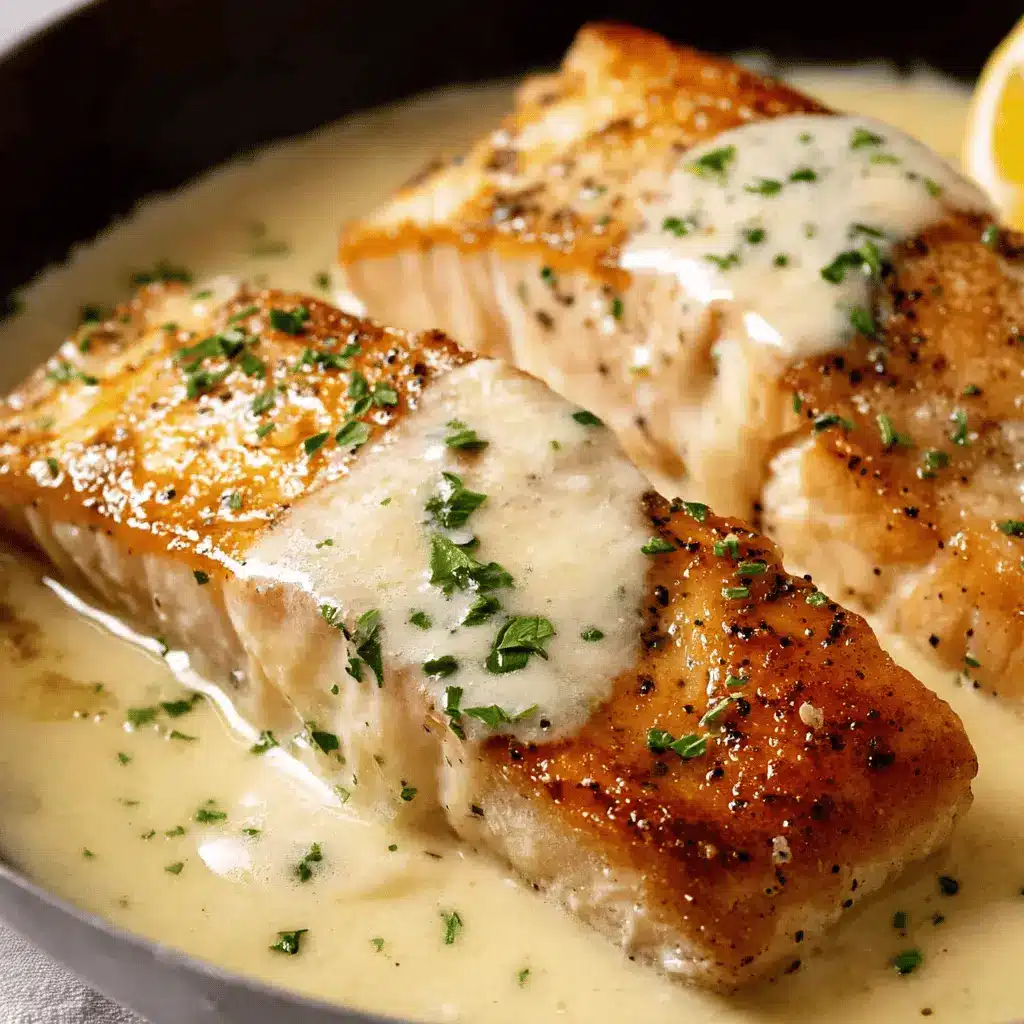
Ingredients for Fish with White Sauce
Key Ingredients for Pan-Seared Fish
To create the perfect base for our fish with white sauce, select fresh, high-quality ingredients. You'll need:
- 4 x 150g skinless, boneless white fish fillets (snapper is a popular choice, but feel free to explore other options like cod or haddock)
- ½ teaspoon salt to enhance the flavor
- ¼ teaspoon pepper for a subtle kick
- 2 tablespoon extra virgin olive oil for a lovely golden sear
Ingredients for the White Sauce
The magic happens in the sauce! Here's what you'll need:
- 1 small eschalot, finely chopped (about 1 ½ tablespoons)
- 1 ¼ cups of dry non-alcoholic white substitute, like chicken broth for depth
- 1 teaspoon lemon juice for brightness
- 1 cup of thickened cream to achieve that rich texture
- 30g unsalted butter (cold, cubed) for creaminess
- A pinch of salt, pepper, and white sugar to balance the flavors
Optional Garnishes and Sides
Elevate your dish with these lovely additions:
- 2 teaspoon finely chopped parsley (or chives) to add freshness
- A side of pea puree or roasted vegetables for a pop of color and nutrition
By using these key ingredients combined with simple techniques, you’ll make a delicious fish with white sauce that will impress at any dinner. Happy cooking!
Preparing Fish with White Sauce
Cooking a delicious fish with white sauce can elevate your mealtime experience. This section will guide you through each step, ensuring you impress your friends or family with this delightful dish!
Preheat the oven and prepare the fish
Start by preheating your oven to 50°C (120°F). This will keep your fish warm while you prepare the sauce. While the oven heats up, grab your white fish fillets—snapper works wonderfully, but feel free to use any white fish you enjoy. Make sure they are skinless and boneless. Pat the fish dry with a paper towel, which helps with achieving a lovely golden crust later on.
Season and cook the fish to perfection
Next, sprinkle the fish fillets with salt and pepper. The seasoning is crucial as it enhances the natural flavors of the fish. Heat 2 tablespoons of extra virgin olive oil in a large non-stick skillet over medium-high heat. It's best to cook the fish in two batches to prevent overcrowding. Cook for about 2 minutes on each side or until they turn beautifully golden and reach an internal temperature of 55°C (131°F). Once cooked, transfer the fish to an oven rack lined over a tray to keep them warm while you whip up that exquisite sauce.
Make the white sauce
Now, let’s get to the sauce! In the same skillet, you cooked the fish, care to discard any excess oil but don’t wipe it clean—those flavorful bits will add depth to your sauce. Add finely chopped eschalot to the pan, followed by 1 and ¼ cups of your favorite non-alcoholic cooking wine, a teaspoon of lemon juice, a teaspoon of vinegar, along with a pinch of salt, pepper, and sugar. Bring it all to a simmer and reduce by half, which should take about three minutes. Once reduced, pour in 1 cup of thickened cream, letting it simmer for another 2 minutes until it’s richly flavored.
Combine the fish and sauce
To finish the sauce, turn the heat down low and incorporate 30 grams (or 2 tablespoons) of cold butter, adding it one cube at a time while gently stirring with a wooden spoon. This will give the sauce a silky, glossy finish. If you prefer, strain the sauce through a sieve to remove the eschalot for a smooth texture. Now, gently add the fish back into the pan to soak up some of that luxurious sauce for about 30 seconds.
Plate and garnish for presentation
Finally, it’s time to plate your dish! Arrange the fish on serving plates and generously spoon the creamy sauce over each fillet. For that extra touch, consider garnishing with finely chopped parsley or chives for a pop of color. Pair the fish with a vibrant side like pea puree to create a visually stunning presentation that’s sure to impress.
With these steps, you're not just preparing fish with white sauce; you're creating a delightful dining experience. So, gather your friends, pour a glass of your favorite non-alcoholic beverage, and enjoy the lovely flavors you've brought together!
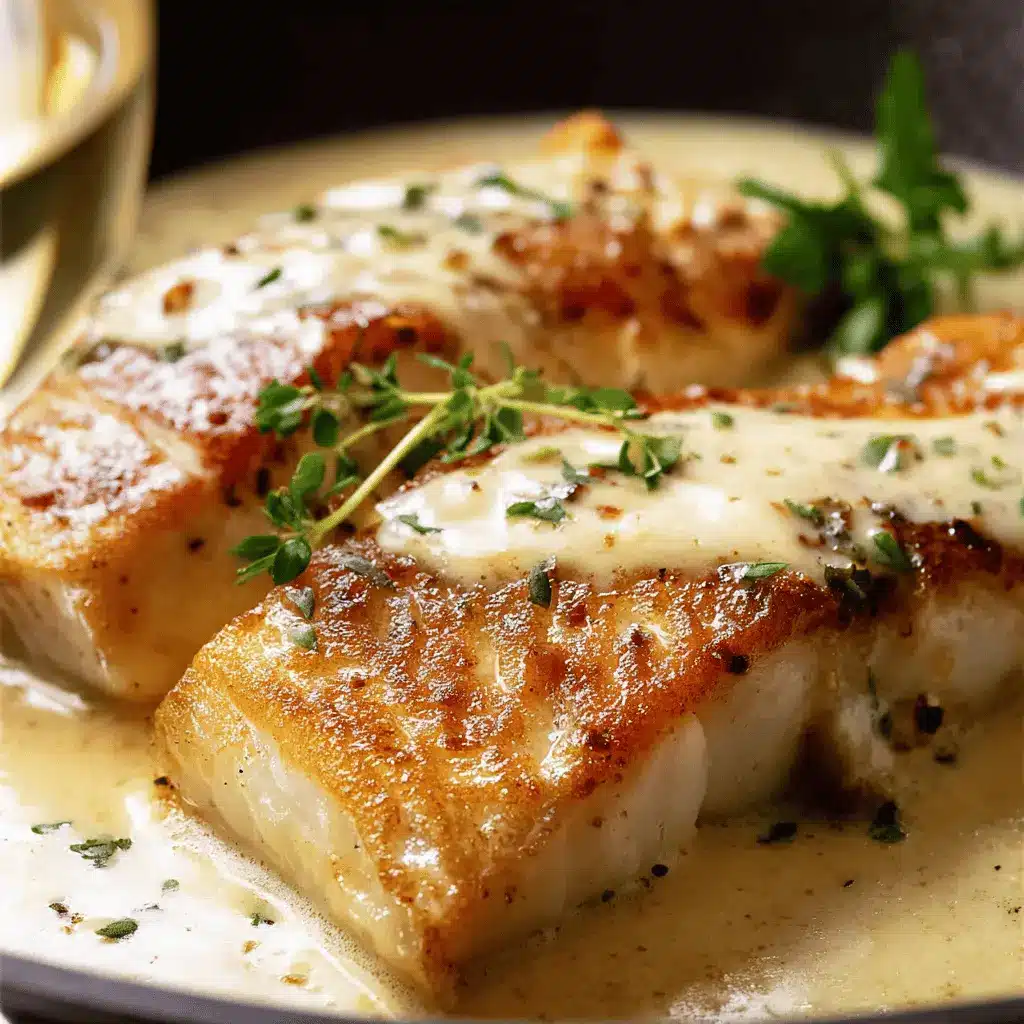
Variations on Fish with White Sauce
Fish with Alternative Sauces
While fish with white wine sauce is a classic, don't hesitate to explore other flavorful sauces! A zesty lemon butter sauce can brighten up your dish or a rich mushroom cream sauce can add depth. For a twist, try a tomato basil sauce that complements the fish beautifully, especially during the summer months when tomatoes are at their peak.
Seasonal Vegetable Pairings
Enhancing your fish dish with seasonal veggies can elevate the whole meal. In spring, consider serving asparagus or sweet peas, which add freshness. During the autumn, roasted root vegetables like carrots and parsnips bring a comforting sweetness to the table. These colorful additions not only enhance flavor but also provide nutritional benefits. Explore more ideas on seasonal vegetables at eat seasonal.
Cooking Tips and Notes for Fish with White Sauce
Choosing the Right Fish
When preparing fish with white wine sauce, selecting the right type of fish is crucial for achieving a delightful dish. Opt for white fish like snapper, cod, or halibut, which have a mild flavor and firm texture. Avoid oily fish such as mackerel or tuna, which can overpower your sauce with their stronger taste. For a vegetarian twist, you can even experiment with tofu! Here’s a guide to help you choose sustainable seafood options.
Taste Adjustments for the Sauce
Feel free to make the sauce your own! If you prefer a bit of tang, consider adding more lemon or switch out the white vinegar for a splash of a favorite citrus juice. For added depth, fresh or dried herbs like dill or parsley can beautifully complement your dish. Remember, adjusting the seasoning gradually allows you to achieve the perfect balance without overwhelming flavors.
Common Cooking Pitfalls to Avoid
Timing is key when creating fish with white wine sauce. Overcooking your fish leads to a dry texture, while undercooking can be unappetizing. Keep a thermometer handy—you’re aiming for an internal temp of 55°C/131°F. Also, avoid rushing the reduction phase of your sauce; this step is essential to concentrate the flavors. Lastly, make sure to incorporate your cold butter incrementally to achieve that velvety, glossy finish that makes this dish extra special!
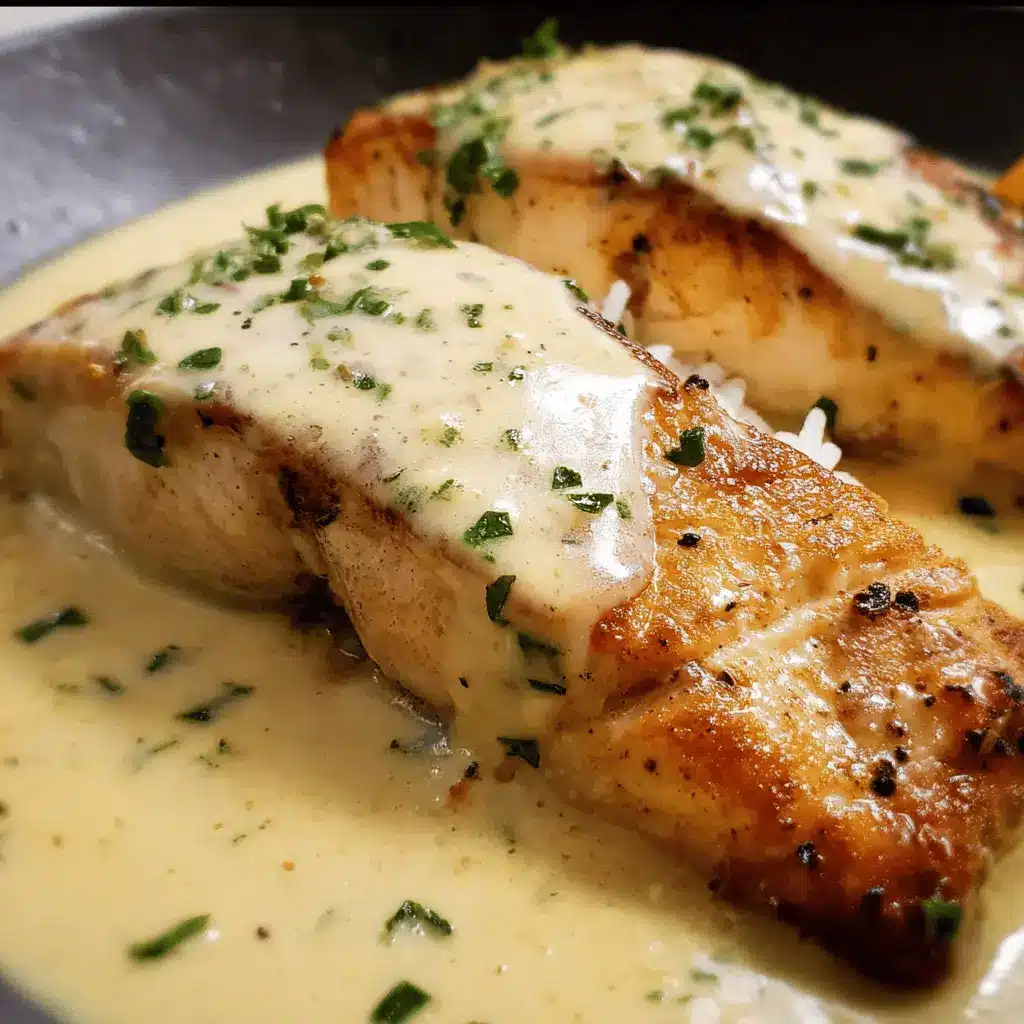
Serving suggestions for Fish with White Sauce
Perfect sides to accompany the dish
When enjoying fish with white wine sauce, consider serving it with vibrant sides that complement the dish's creamy richness. Options like roasted asparagus or a light arugula salad offer a refreshing contrast. Creamy mashed potatoes or a zesty lemon-herb couscous also pair beautifully, adding substance without overwhelming the delicate flavors.
Elevating the dining experience at home
To create a memorable dining experience, think about the atmosphere. Soft lighting, perhaps some candles, and a carefully curated playlist can create a cozy ambience. A chilled sparkling water with a slice of lemon can elevate the meal without overshadowing the fish with white wine sauce. Don't forget to garnish the dish with freshly chopped parsley or chives for that restaurant-quality touch! Pairing with a light, citrusy mocktail can also add a refreshing twist to your meal. For more inspiration, check out this guide on perfect pairings to elevate your next dinner!
Time details for Fish with White Sauce
Preparation time
Getting everything ready for your fish with white wine sauce is a breeze! You'll need about 10 minutes to gather ingredients and prep your fish.
Cooking time
The magic happens quickly. In just 15 minutes, you’ll have the fish and sauce cooked to perfection, ready to tantalize your taste buds.
Total time
From start to finish, plan for approximately 25 minutes for this delightful dish. A fantastic option for a weekday dinner that feels luxe without the long wait!
Be sure to check out some of the ingredients’ nuances, such as the best alternatives to white wine, which can enhance your cooking experience. If you’re eager for a twist, consider variations like adding a touch of lemon zest or spices to elevate the flavor even more!
Nutritional Information for Fish with White Sauce
When you enjoy a delicious plate of fish with white sauce, it’s always good to know what you're nourishing your body with. Here’s a quick rundown on the nutritional value of this dish:
Calories
A serving of fish with white sauce contains approximately 533 calories. This makes it a fulfilling option that can fit perfectly into your balanced meal plan.
Protein
Packed with about 32 grams of protein, this dish not only satisfies your taste buds but also supports muscle growth and overall health. It's a fantastic way to get your daily protein intake!
Sodium
With approximately 470 milligrams of sodium, you have a reasonable level that aligns well within daily recommendations. To lower sodium even further, you can adjust the seasoning to your taste.
Enjoy this delectable dish while feeling good about your dietary choices! For more nutritional insights, check out sources from the USDA's FoodData Central or the Harvard T.H. Chan School of Public Health for comprehensive information on nutrient values.
FAQs about Fish with White Sauce
What fish is best for this recipe?
When it comes to preparing fish with white wine sauce, opt for white fish fillets that are skinless and boneless. Snapper works beautifully, but you can also use cod, haddock, or even salmon and trout for a richer flavor. Just steer clear of fish that tend to dry out easily, such as swordfish and tuna, as well as oily varieties like mackerel that have a stronger fish flavor. You want a fish that will complement the creamy sauce without overpowering it.
Can I make the sauce ahead of time?
Absolutely! You can prepare the white sauce ahead of time and store it in the refrigerator. Just remember to reheat it gently before serving, adding a splash of low-sodium chicken stock or broth to regain its silky texture. This makes it super convenient for weeknights when you’re short on time but still want a delicious homemade meal.
How do I know when the fish is fully cooked?
Perfectly cooked fish should be easy to flake with a fork and should reach an internal temperature of 55°C/131°F. If you're new to cooking fish, a visual cue is helpful: it should change from a translucent look to an opaque color. If you're looking for an in-depth understanding of how to cook fish perfectly, this resource on safe seafood cooking can offer you more tips.
Conclusion on Fish with White Sauce
Why not elevate your dinner routine with fish with white wine sauce tonight? This dish is not only easy to prepare but also impressively flavorful, making it perfect for weeknight meals or special occasions. Treat yourself to a lovely combination of freshness and creaminess; you deserve it!
Fish with White Wine Sauce
Equipment
- large non-stick skillet
- oven
- sieve
Ingredients
Pan seared fish
- 4 150g white fish fillets skinless, boneless (I used snapper)
- ½ teaspoon salt
- ¼ teaspoon pepper
- 2 tablespoon extra virgin olive oil
White wine sauce
- 1 eschalot small, finely chopped (~1 ½ tbs)
- 1 ¼ cups white wine dry, not sweet or too woody (chardonnay is especially good)
- 1 teaspoon lemon juice (sub white wine vinegar)
- 1 teaspoon white wine vinegar (sub more lemon)
- ⅛ teaspoon salt
- 1 pinch pepper
- 1 pinch white sugar
- 1 cup thickened/heavy cream
- 30 g unsalted butter cold, cut into 1cm / ⅓″ cubes
Garnish, optional
- 2 teaspoon finely chopped parsley (or chives)
Instructions
Cook fish
- Preheat oven to 50°C/120°F. Place rack over a tray.
- Season fish: Sprinkle fish with salt and pepper.
- Cook fish: Heat oil in a large non stick skillet over medium high heat. Cook fish in two batches until golden, 2 minutes on each side, or until the internal temperature is 55°C/131°F.
- Keep warm: Place fish on rack, and place in the oven to keep warm.
White wine sauce
- Discard oil: Tip out excess oil from the skillet but don't wipe clean.
- Reduce wine: Add eschalot, white wine, lemon juice, vinegar, salt, pepper, sugar to the pan. Bring to simmer (still on medium high) and reduce by half (~3 minutes).
- Simmer cream: Add cream, simmer for 2 minutes.
- Finish with COLD butter: Turn heat to low and add cold butter one cube at a time while mixing with wooden spoon until all the butter is incorporated and the sauce is thickened, satiny and glossy.
- Optional strain: Strain the sauce through a sieve (discard eschalot), then pour it back into the pan.
- Fish in sauce: Place fish back into the pan in the sauce. Spoon some sauce over the fish, leave for 30 seconds.
- Serve: Transfer fish onto serving plates. Spoon sauce over each fish, sprinkled with parsley if desired.


Leave a Reply