
Introduction to Winter Vegetable Salad
The joy of seasonal eating
There’s something truly delightful about seasonal eating, especially during the winter months. As the chill settles in, vibrant winter vegetables like butternut squash, Brussels sprouts, and beets come into their own, offering both flavor and nutrition. These ingredients are not just delicious; they are also packed with vitamins and minerals that help us stay energized during the colder days. Eating seasonally means supporting local farmers and reducing your carbon footprint, making it a win-win for both your plate and the planet.
Why winter vegetables deserve the spotlight
Winter vegetables might not get the same attention as their summer counterparts, but they deserve their moment to shine! Butternut squash, for instance, offers a sweet, nutty flavor that complements heartier greens. Brussels sprouts provide a satisfying crunch, while roasted beets add a pop of color and earthiness to your winter vegetable salad. Plus, cooking these veggies brings out their natural sweetness, making every bite a delightful experience. If you’re curious about how to make the most of these seasonal offerings, you’ll find a recipe here that combines them beautifully. Check out Farmers' Markets and Seasonal Produce for much more on seasonal ingredients.
With all these elements in play, you’re not just enjoying a meal; you’re celebrating the flavors of winter in a way that’s both nourishing and satisfying.
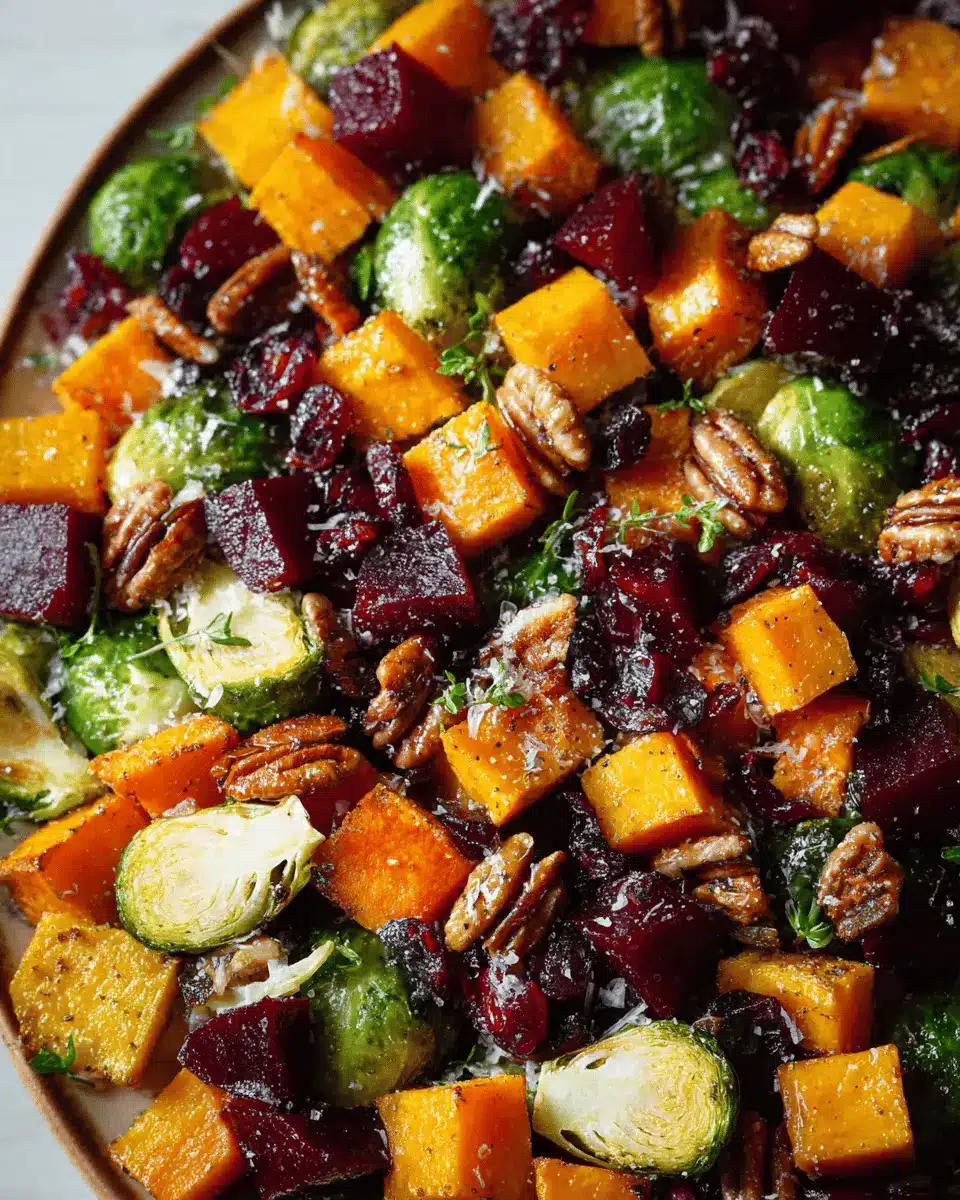
Ingredients for Winter Vegetable Salad
Essential Ingredients for the Salad
Creating a delicious winter vegetable salad starts with fresh, vibrant produce that captures the essence of the season. Here’s what you'll need:
- Brussels Sprouts: 3 cups, trimmed and halved.
- Butternut Squash: 4 cups, peeled and cubed (about 1-inch pieces).
- Beets: 2 large beets, cooked and diced.
- Pecans: 2 cups of halves, toasted for an extra crunch.
- Dried Cranberries: 1 cup for a sweet burst of flavor.
These ingredients come together beautifully, offering a balance of flavors and textures that are perfect for winter.
Optional Ingredients for Added Flavor
To elevate your winter vegetable salad, consider adding these optional ingredients:
- Maple Syrup: 4 tablespoons, for natural sweetness.
- Fresh Lime Juice: 1 tablespoon, to brighten the dish.
- Balsamic Vinegar: 1 cup, reduced to a glaze for a tangy finish.
Want to explore more about the health benefits of these ingredients? Check out Healthline's article on winter vegetables. Using seasonal ingredients not only enhances taste but also supports local farmers.
Step-by-Step Preparation of Winter Vegetable Salad
Creating a delightful winter vegetable salad is all about rhythm and patience. Let’s break down the steps so you can enjoy the crunch of Brussels sprouts, the sweetness of butternut squash, and the earthiness of beets—all seasoned just right!
Preparing the Brussels Sprouts
First up, let's tackle those vibrant Brussels sprouts. Start by preheating your oven to 375°F and lining a baking sheet with parchment paper.
- Trim the ends of about 3 cups of raw Brussels sprouts and remove any yellow leaves.
- Slice each sprout in half to expose their inner goodness.
- In a medium bowl, toss these halves with 2 tablespoons of olive oil and salt to taste.
Once you've mixed everything well, lay the sprouts cut-side down on your baking sheet. Roast them for 20 to 25 minutes, flipping halfway through for an even char. You’re aiming for a golden-brown exterior—just a hint of crispiness!
Roasting the Butternut Squash
Now let’s bring some sweetness into the mix with roasted butternut squash.
- In another bowl, combine 4 cups of cubed butternut squash with 2 tablespoons of olive oil and a dash of salt.
- Give it a good toss so each cube is nice and coated.
Spread the squash onto a separate parchment-lined baking sheet and roast at the same temperature for about 25-30 minutes until they’re buttery soft.
Cooking the Beets
Beets are synonymous with winter, and they’re essential for our salad.
- Place 2 medium-sized beets in a saucepan filled with water, and bring it to a boil.
- Simmer for 30 to 40 minutes until they're soft—this may vary depending on your beet size.
Once cooked, let them cool before peeling and dicing into small cubes. Cooking them a day ahead can make your salad assembly a breeze!
Toasting the Pecans
Adding some texture? Let's toast those pecans!
- Preheat your oven to 350°F and spread 2 cups of pecan halves onto a baking sheet.
- Roast them for 5 to 10 minutes, keeping an eye out to avoid burning.
You’ll know they’re done when they’re darker and fragrant—perfect for adding a crunch to your winter vegetable salad.
Assembling the Salad
In a large bowl, combine your roasted Brussels sprouts and butternut squash with the toasted pecans and 1 cup of dried cranberries.
- Gently fold in the diced beets last to keep that beautiful purple hue from overtaking your dish.
Making the Dressings
Finally, the dressings! You have two options—choose one to complement your salad perfectly.
Maple-Lime Dressing:
- Mix 3 to 4 tablespoons of maple syrup with 1 to 2 tablespoons of freshly squeezed lime juice. Drizzle over the salad before serving!
Balsamic Glaze:
- Combine 1 cup of balsamic vinegar with ¼ cup of honey or brown sugar in a pan and simmer until it reduces by half. Drizzle it on top for a stunning finish.
Whichever dressing you choose, serve immediately for the best presentation! Enjoy your colorful, nutritious winter vegetable salad—your taste buds will thank you!
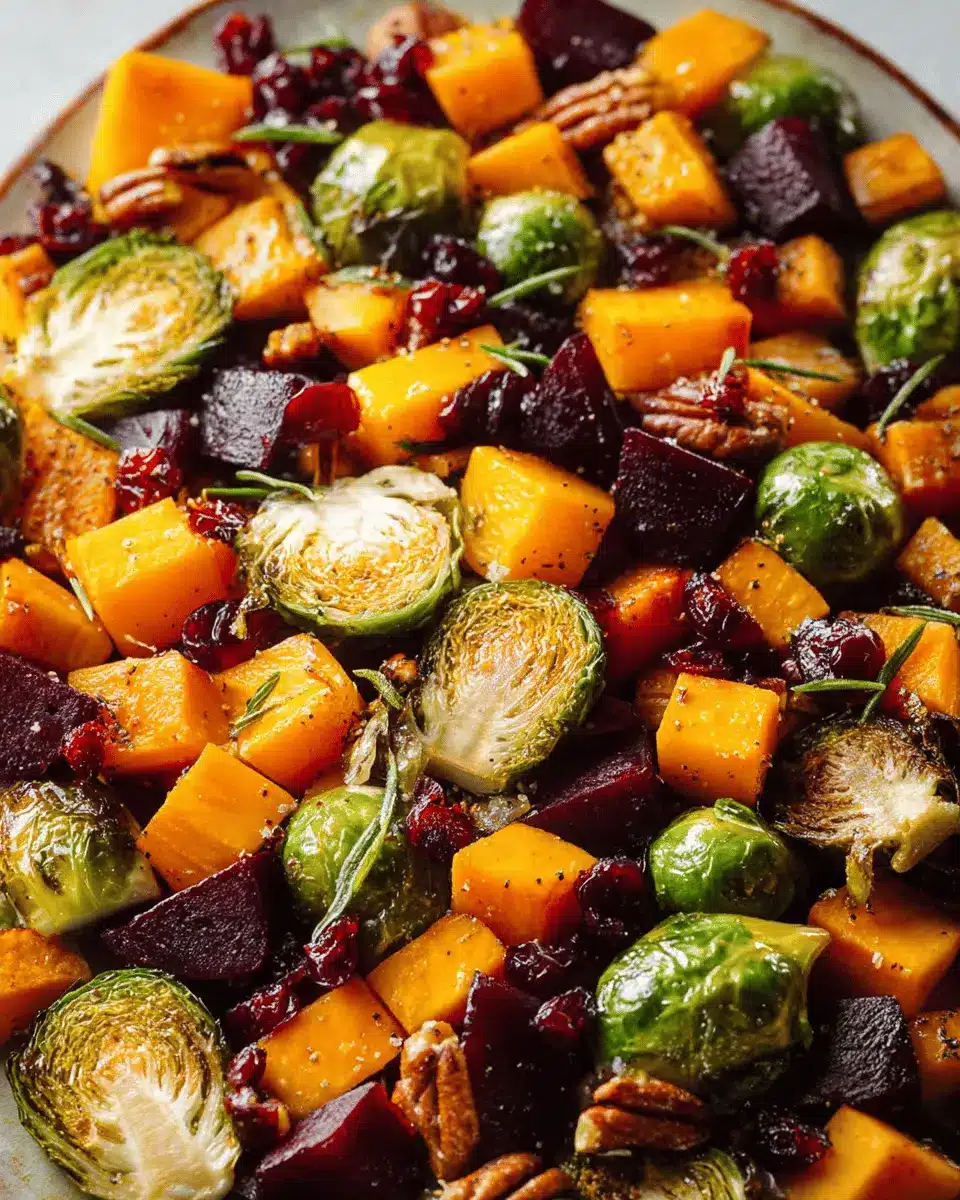
Variations on Winter Vegetable Salad
Adding grains for texture
Elevate your winter vegetable salad by incorporating grains like quinoa, farro, or even brown rice. These ingredients add hearty texture and make your salad more filling, perfect for a cozy winter meal. Grains not only offer additional nutrients but also make each bite more satisfying. Try cooking your grains according to package instructions and mixing them in with your roasted veggies for a delightful crunch and chewiness.
Incorporating different nuts or seeds
For a delightful twist, consider swapping the pecans for your favorite nuts or seeds. Walnuts, almonds, or even pumpkin seeds can offer unique flavors and added crunch. Toasting the nuts or seeds before adding them enhances their flavor, giving your winter vegetable salad an even richer taste. Experiment with different combinations to find your perfect mix; each addition can change the entire profile of the dish!
Cooking Tips and Notes for Winter Vegetable Salad
How to Ensure Perfect Roasted Veggies
To achieve flawlessly roasted veggies for your winter vegetable salad, ensure that each piece is evenly coated with olive oil and season generously with salt. Roasting at a consistent temperature (375°F) and giving vegetables space on the baking sheet allows for even browning. Don't hesitate to turn them during roasting for that golden-brown touch—it's all in the details!
Importance of Using Fresh Ingredients
Fresh ingredients can truly elevate your salad. Vibrant, crisp produce not only offers a brighter flavor but also packs more nutrients. Seek out seasonal vegetables for optimal taste—local farmers' markets are great places to explore! If you're looking for guidance on choosing fresh produce, check out this guide on seasonal vegetables.
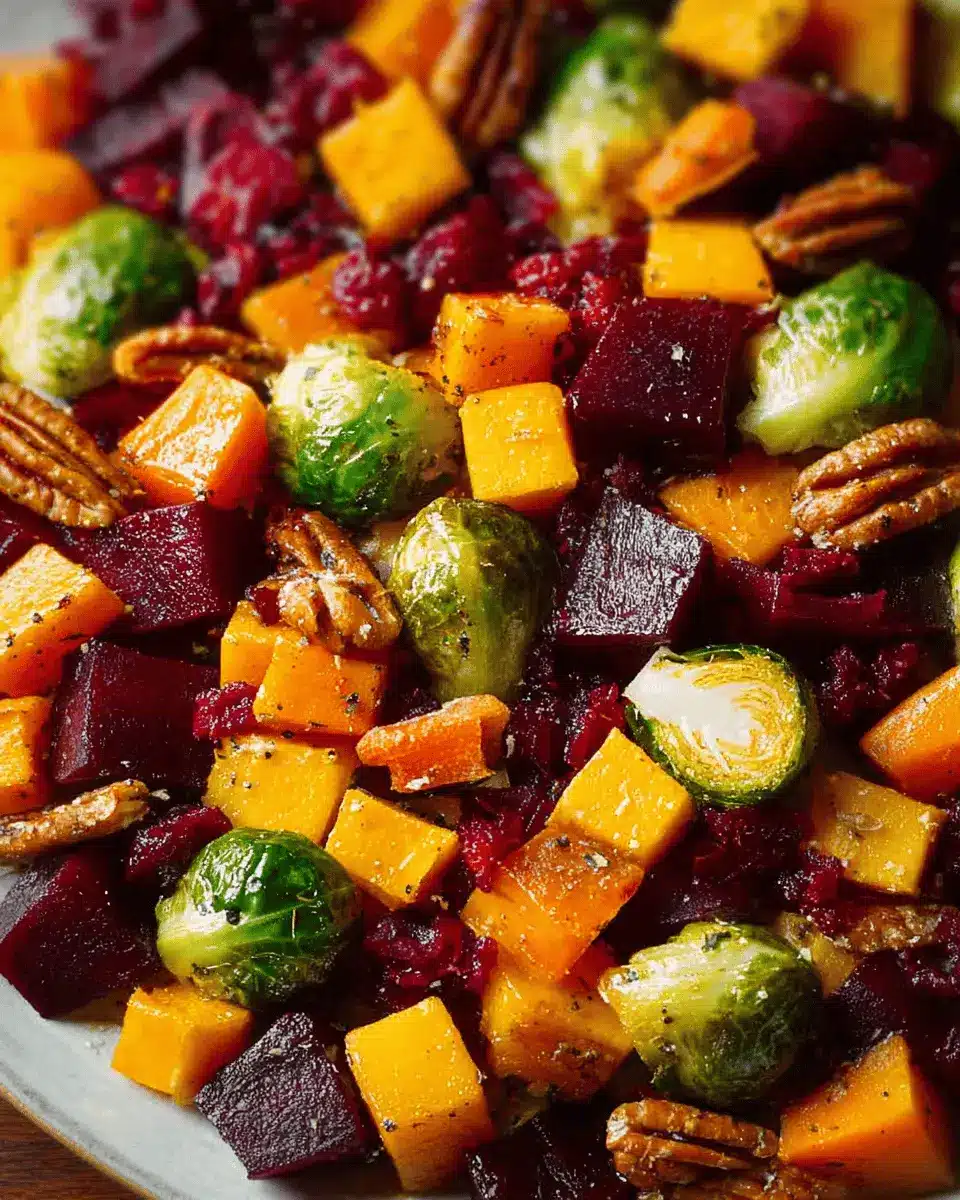
Serving Suggestions for Winter Vegetable Salad
Pairing Ideas for a Complete Meal
To create a cozy and satisfying meal, pair your winter vegetable salad with a protein like grilled chicken or crispy turkey bacon. For a vegetarian option, consider adding chickpeas for extra protein. Serve with hearty whole-grain bread or creamy potato soup for a delightful contrast to the salad's crunchy textures.
For beverages, how about a zesty ginger tea or a warm spiced apple cider? Both complement the earthy flavors of roasted vegetables beautifully.
Presentation Tips for Impressing Guests
Presentation is key when serving this vibrant winter vegetable salad. Use a large, shallow bowl to showcase the colorful layers, and drizzle your dressing just before serving for maximum visual appeal. Garnish with fresh herbs like parsley or cilantro for an added touch. For an upscale feel, consider individual servings in mason jars, allowing guests to shake for a perfectly mixed salad.
These simple tips will not only elevate the look but will ensure your salad shines at any gathering! For more salad ideas, check out resources like EatingWell for inspiration.
Time Breakdown for Winter Vegetable Salad
Preparation time
Get ready to dive into this delicious winter vegetable salad with an easy preparation time of about 15 minutes. During this time, wash, chop, and prepare your vegetables, and make any dressings.
Cooking time
Plan for about 40-50 minutes of cooking time. This includes roasting the Brussels sprouts and butternut squash and boiling the beets.
Total time
All in all, you'll spend about 1 hour to bring this colorful winter salad to life. Perfect for serving at gatherings or weekday dinners, it’s a hearty, nutritious option that will warm your soul.
For a detailed breakdown of the cooking process, check out more in-depth guides on roasting vegetables and preparing salads. Happy cooking!
Nutritional Facts for Winter Vegetable Salad
Estimated calories per serving
Each serving of this delicious winter vegetable salad contains approximately 300 calories, making it a nutritious and satisfying choice for winter meals.
Main nutrients included
This salad is packed with essential nutrients, including dietary fiber, vitamins A and C, potassium, and healthy fats from pecans. These nutrients work together to support overall health and well-being.
Health benefits of winter veggies
Winter vegetables like butternut squash, Brussels sprouts, and beets are rich in antioxidants and anti-inflammatory properties. They can help boost your immune system and may reduce the risk of chronic diseases. For more information on the benefits of seasonal vegetables, check out this article on the health benefits of winter produce. Eating these vibrant veggies can also improve digestion and promote heart health, making them an excellent addition to your diet.
FAQs about Winter Vegetable Salad
Can I prepare this salad in advance?
Absolutely! This winter vegetable salad is a fantastic option for meal prep. You can roast the Brussels sprouts and butternut squash a day ahead, and even cook the beets in advance. Just keep the roasted veggies and beets stored separately until you're ready to serve, preserving their vibrant colors and crisp textures. A little assembly goes a long way!
What’s the best way to store leftovers?
Leftovers can be stored in an airtight container in the refrigerator for up to 3 days. To maintain freshness, you might want to keep the dressing separate. This way, your salad won't get soggy, and you can enjoy it at its best later on. If you’re unsure what to do with leftover veggies, consider adding them to a wrap or a grain bowl!
Are there vegan dressing options?
Yes! If you want to keep your winter vegetable salad vegan, simply substitute honey in the dressing with maple syrup or agave nectar. This not only maintains the sweetness but also aligns with a vegan lifestyle. You’ll find the maple-lime dressing complements the earthy flavors beautifully. For more inspiration, check out these vegan dressing alternatives.
This salad is versatile and perfect for cozy winter dinners or gatherings with friends!
Conclusion on Winter Vegetable Salad
Creating a winter vegetable salad at home not only delivers fresh, nutritious flavors but also empowers you to tailor meals to your tastes. Embrace seasonal produce and let your creativity flow—experimenting with different vegetables and dressings can lead to delightful discoveries. Enjoy the journey of wholesome cooking!
Winter Vegetable Salad with Butternut Squash, Brussels Sprouts, and Beets
Equipment
- oven
- baking sheet
- Parchment paper
- medium bowl
- saucepan
Ingredients
Roasted Brussels Sprouts
- 3 cups Brussels sprouts raw, ends trimmed, yellow leaves removed
- 2 tablespoons olive oil
- salt to taste
Roasted Butternut Squash
- 4 cups butternut squash uncooked, peeled, seeded, and cubed into 1-inch cubes
- 2 tablespoons olive oil
- salt to taste
Other Salad Ingredients
- 2 large beets pre-cooked at least 1 day in advance
- 2 cups pecan halves
- 1 cup dried cranberries
Balsamic Glaze
- 1 cup balsamic vinegar
- ¼ cup honey or brown sugar
Maple-Lime Dressing
- 4 tablespoons maple syrup
- 2 tablespoons freshly squeezed lime juice add more to taste
Instructions
How to Roast Brussels Sprouts
- Preheat oven to 375 F. Line the baking sheet with parchment paper.
- Trim ends of Brussels sprouts and remove yellow leaves. Slice all Brussels sprouts in half.
- In a medium bowl, combine halved Brussels sprouts, 2 tablespoons of olive oil, salt (to taste), and toss to combine.
- Place Brussels sprouts onto a parchment paper-lined baking sheet, cut side down, and roast in the oven at 375 F for about 20-25 minutes.
- Turn them over for even browning during the last 5-10 minutes of roasting.
How to Roast Butternut Squash
- Preheat oven to 375 F. Line the baking sheet with parchment paper.
- In a medium bowl, combine cubed butternut squash, 2 tablespoons of olive oil, and salt, and toss to combine.
How to Cook Beets
- Add 2 beets to a medium-sized saucepan filled with water. Bring to a boil.
- Boil the beets on medium heat for about 30 or 40 minutes until soft.
- When completely cooled, peel the beets and then dice them into small cubes.
How to Toast Pecans
- Preheat the oven to 350 F. Line a baking sheet with parchment paper. Spread pecans in a single layer.
- Toast the pecans for about 5 to 10 minutes until they get darker in color.
Assembly
- In a large bowl, toss together roasted Brussels sprouts, roasted butternut squash, toasted pecans, and dried cranberries.
- Add diced cooked beets last, otherwise they will color the salad dark red color.
Salad Dressing Options
- Combine 1 cup of balsamic vinegar + ¼ cup of honey or brown sugar in a medium pan and cook it down.
- Drizzle with the balsamic glaze without mixing it with the salad.



Leave a Reply