
Introduction to Spanish Paella
What is Spanish Paella and why is it loved?
Spanish paella is much more than just a dish; it's a vibrant culinary tradition that embodies the spirit of Spain. Originating from the Valencian region, this beloved meal is a celebration of social gatherings, family dinners, and the sun-kissed Mediterranean coast. The word paella actually refers to the pan in which it's cooked, typically made of wide, shallow metal that promotes even heating—crucial for achieving that iconic crispy crust known as the socarrat.
What draws so many to Spanish paella is its mouthwatering medley of flavors and textures. Packed with succulent chicken, fresh seafood, and an array of colorful vegetables, it's not just eye-catching, but also a heartwarming dish that brings people together. Each ingredient plays a vital role, from the earthy notes of saffron to the rich seasoning of paprika.
Whether you enjoy it by the beachside in Spain or in the comfort of your home, paella promises a comforting and enjoyable dining experience. Its versatility allows for countless variations, catering to every taste, making it a beloved favorite for food lovers around the world. Looking for a delicious recipe? Make sure to check out our full Spanish Paella recipe below for an authentic taste of this culinary gem!
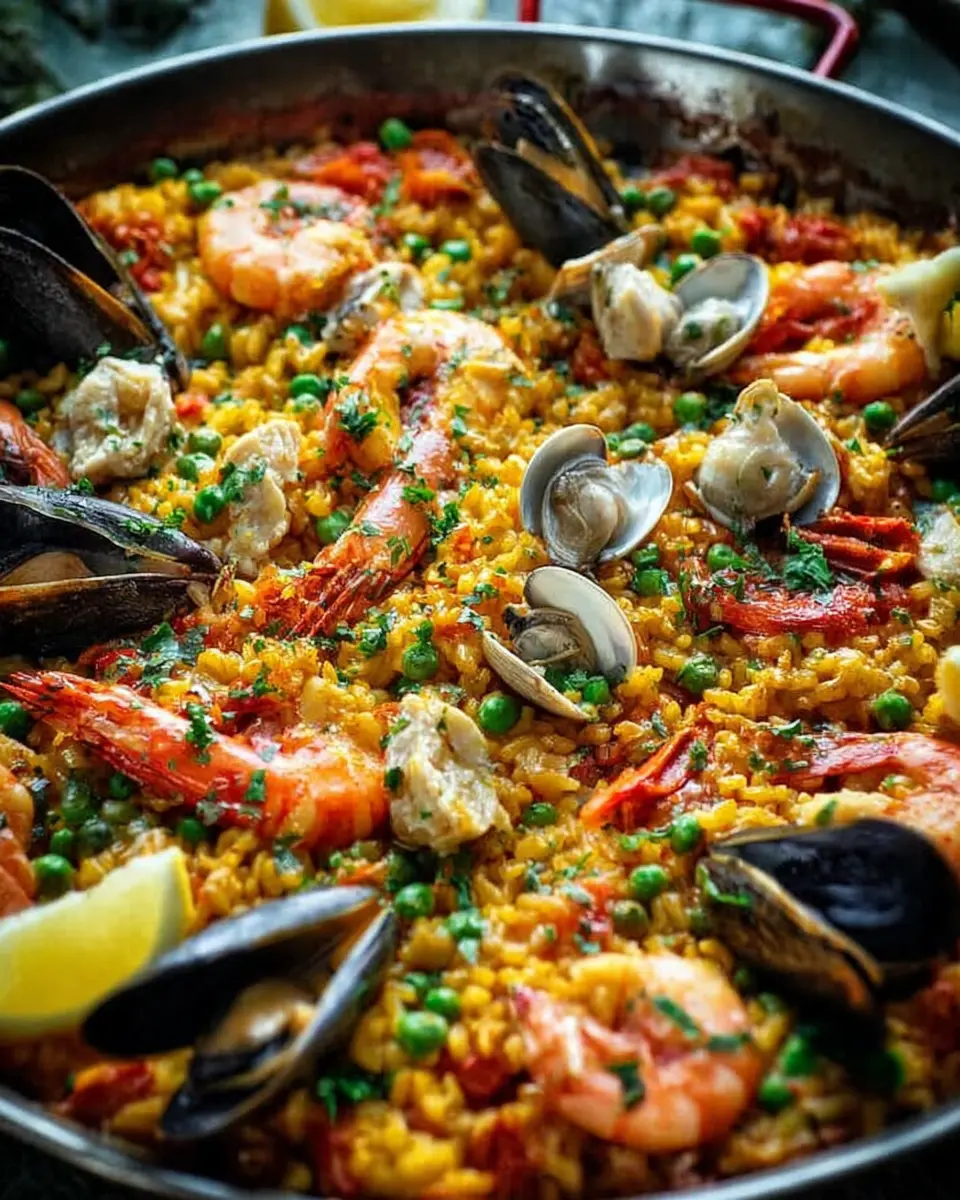
Ingredients for Spanish Paella
Essential ingredients for authentic Spanish Paella
To create a truly authentic Spanish paella, focus on the essential ingredients that bring this dish to life. Here’s what you’ll need:
- Extra virgin olive oil: A cornerstone of Spanish cooking for its rich flavor.
- Onion and bell pepper: They add sweetness and depth.
- Garlic and tomatoes: These fresh ingredients provide a flavor base that’s fundamental.
- Paprika and saffron: For that signature Spanish flavor—saffron is especially crucial.
- Chicken thighs: Tender and flavorful chunks of meat offer the heartiness you want in every bite.
- Spanish rice: Selecting the right type of rice, such as bomba, is key for achieving the perfect texture.
- Chicken broth: Use it as the cooking liquid to infuse the dish with savory richness.
- Seafood: Shrimp, mussels, and calamari bring a delightful touch of the sea.
Optional additions for custom flavors
While the essentials set the stage for classic Spanish paella, don’t hesitate to customize with optional ingredients! Consider adding:
- Turkey or even beef: These can replace chicken for a different meat profile.
- Artichokes and green beans: For a heartier vegetable component.
- Chorizo: Adds spice and an extra layer of flavor.
- Frozen peas: A convenient addition that brightens up the dish and adds color.
Feel free to mix and match according to your preferences! Just remember, the magic lies in the balance of flavors. For more tips and ideas, check out resources like Taste of Home and BBC Food for inspiration.
Step-by-step Preparation of Spanish Paella
Making Spanish paella is like taking a delightful culinary journey to the heart of Spain, and it's easier than you might think. Here’s a step-by-step guide to create this delicious one-pan dish.
Prepare your ingredients
Before you dive into cooking, gather your ingredients to streamline the process. You'll need:
- Extra virgin olive oil
- Onion, diced
- Bell peppers, diced (mix colors for visual appeal)
- Garlic
- Roma tomatoes, finely diced (or tomato sauce)
- Bay leaf
- Paprika (sweet or smoked)
- A pinch of saffron threads
- Salt and pepper
- Chicken broth (or vegetable broth for a veggie twist)
Have your chicken, seafood, and Spanish rice measured out, and don’t forget the fresh parsley for garnishing! Preparing your kitchen will help avoid any last-minute scrambling.
Sauté the vegetables and create the base
In a large skillet or paella pan, heat the olive oil over medium heat. Add the diced onion, bell peppers, and minced garlic, sautéing until the onion turns translucent, about 5 minutes. Then, stir in the chopped tomatoes, bay leaf, paprika, and saffron. This aromatic base is crucial for flavor, so let it cook for another five minutes before moving to the next step.
Add the proteins and rice
It's time to incorporate the proteins! Add your seasoned chicken pieces to the skillet along with the parsley. Allow the chicken to sear for about a minute, then stir in the Spanish rice. This ingredient will absorb all those wonderful flavors you’ve just created.
Pour in the broth and let it simmer
Next, slowly pour the chicken broth around the pan, using a gentle jiggle to ensure the rice layers evenly without stirring. This is crucial for achieving the desired socarrat—crispy bottom rice layer, a hallmark of a good Spanish paella.
Increase the heat until the broth reaches a boil, then reduce it to medium-low. Resist the urge to stir; the secret to that socarrat is minimal disturbance.
Incorporate seafood and finish cooking
After about 15 minutes of simmering, nestle in the shrimp, mussels, and calamari. Sprinkle the peas atop the mixture, cover the pan, and continue to cook for an additional 5 minutes. You want to keep an eye on it and make sure the rice is tender and the liquid is mostly absorbed. If it's looking dry but the rice isn’t quite done, feel free to add a splash more broth.
Rest and reveal the socarrat
Once cooked, remove the pan from heat and cover it with a lid or some foil. Let it rest for 10 minutes—this step allows the flavors to marry and helps finalize that delicious socarrat.
Garnish generously with fresh parsley and lemon slices before serving. Enjoy your homemade Spanish paella, and remember, every bite is a story!
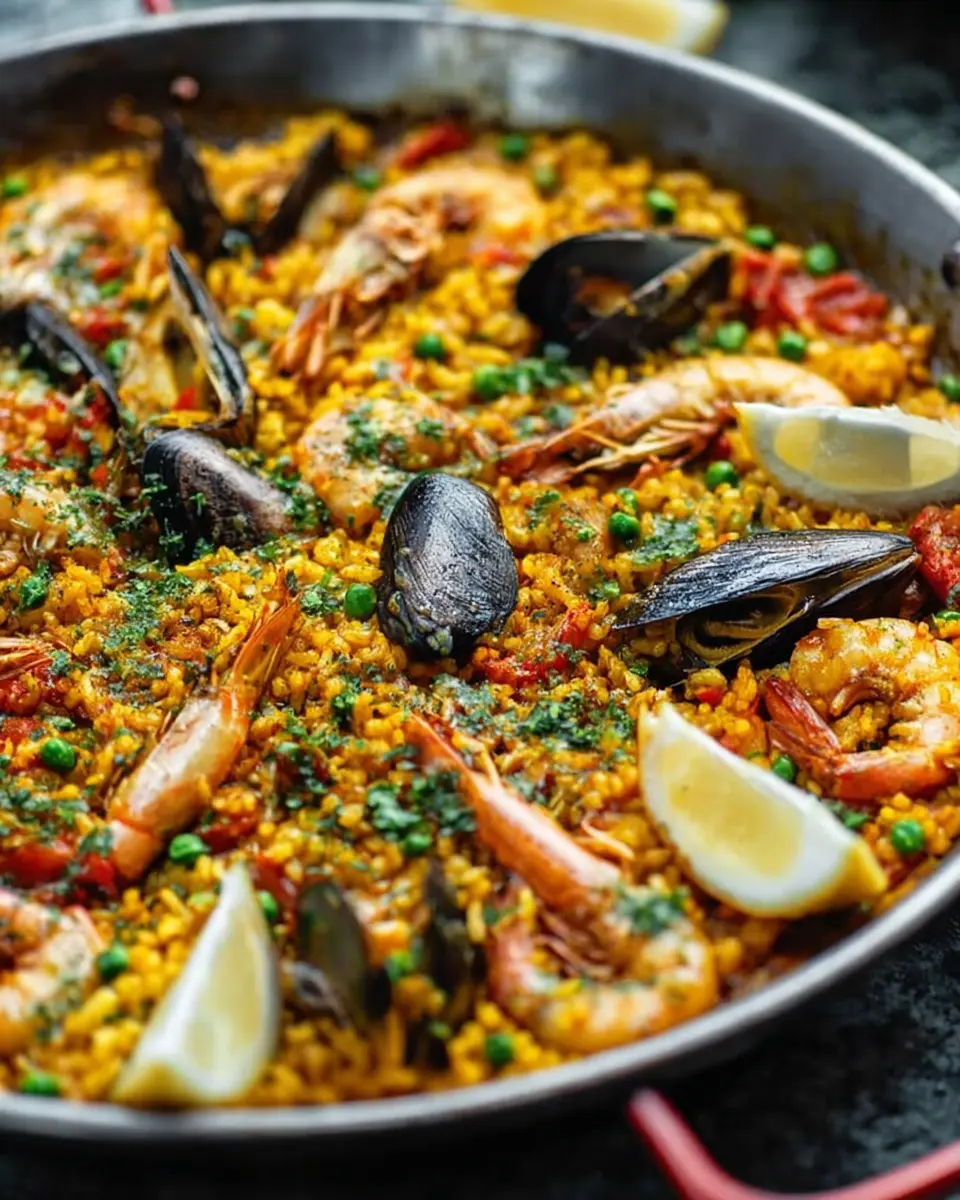
Variations on Spanish Paella
Spanish paella is a versatile dish, inviting creativity and personal touches. Here are three delightful variations to explore.
Vegetarian Paella
For a vibrant twist, consider a vegetarian version of paella. Omit the meat and seafood, and instead pack it with colorful vegetables like artichokes, green beans, bell peppers, and mushrooms. Add plenty of flavor with herbs and spices to make this dish shine. This makes it ideal for those looking for a healthy, meat-free option.
Paella Valenciana
Originating from Valencia, this authentic paella incorporates rabbit and chicken alongside green beans and artichokes. This variation emphasizes traditional ingredients, giving you a taste of local cuisine. You might find it fascinating how this classic recipe reflects the agricultural bounty of the Spanish countryside.
Seafood Paella
Dive into the ocean with a classic seafood paella. This option features a medley of shrimp, mussels, clams, and squid, delivering a delightful marine experience. Feel free to experiment with your favorite seafood, ensuring you get the freshest ingredients possible. Many seafood lovers consider this version the ultimate comfort food, perfect for sharing!
Explore these variations to make your Spanish paella experience even more delightful!
Cooking Tips and Notes for Spanish Paella
Choosing the right rice
For an authentic Spanish paella, selecting the right rice is crucial. Bomba or Calasparra rice are ideal due to their ability to absorb flavor without becoming mushy. If you can't find these varieties, medium-grain rice like Calrose is a good alternative, but avoid using Arborio or long-grain rice, as they won't give you the desired texture.
Importance of saffron
Saffron is the soul of paella, infusing it with a rich, distinctive flavor and color. Though it can be costly, investing in high-quality saffron threads enhances your dish significantly. If needed, you can use saffron powder as a substitute.
Avoiding common mistakes
To achieve that sought-after socarrat (crispy bottom), resist the urge to stir once you add the broth. Letting the rice develop a crust is vital to the dish's success. Also, ensure your broth is hot before adding it to the pan to maintain the cooking temperature. Following these tips will elevate your Spanish paella to new heights!
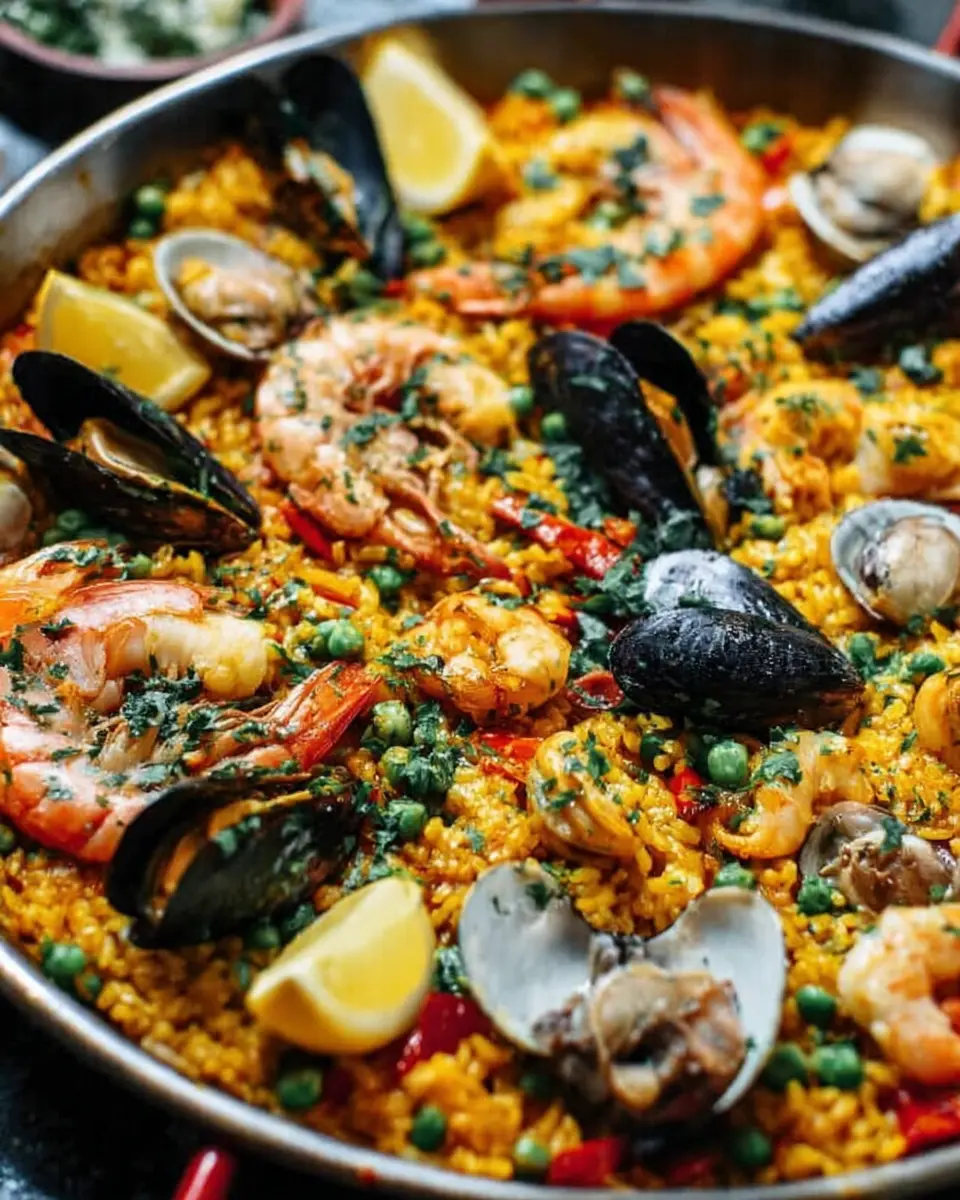
Serving Suggestions for Spanish Paella
Perfect pairing options
To elevate your Spanish paella experience, consider serving it with a refreshing side salad of mixed greens, dressed lightly with olive oil and lemon. A crusty loaf of artisan bread is also an excellent accompaniment for soaking up the flavors. For a non-alcoholic beverage option, try sparkling water with a hint of citrus or a homemade lemonade for a well-rounded meal.
Garnishing ideas for presentation
Presentation matters! To impress your guests, garnish the Spanish paella with fresh parsley and lemon wedges. You can also add colorful slices of bell peppers or cherry tomatoes on top for a vibrant look. For a touch of elegance, consider serving individual portions in shallow bowls, creating a bistro-like atmosphere.
By paying attention to these details, your Spanish paella won’t just taste amazing; it’ll look incredible too!
Time Breakdown for Spanish Paella
Preparation Time
The preparation for Spanish paella takes about 15-20 minutes. This includes chopping vegetables, measuring out ingredients, and getting everything ready for cooking. A little prep can make the cooking process much smoother!
Cooking Time
Once you start cooking, you can expect to spend around 30-35 minutes. This will allow for the flavors to meld beautifully as you bring the dish to life.
Total Time
In total, the entire process—prep and cooking—should take about 50-60 minutes. Perfect for a weekday dinner or a cozy weekend feast with friends! Remember, the joy of making paella is just as rewarding as eating it.
If you are eager to dive deeper into the authentic flavors and techniques of Spanish paella, feel free to check out resources like Spanish Cooking School or consider local cooking classes to hone your skills!
Nutritional Facts for Spanish Paella
Understanding the nutritional content of your meals can help you make informed choices. Let’s break down the nutritional facts for this delightful Spanish paella.
Calories
A hearty serving of Spanish paella contains approximately 535 calories. This makes it a satisfying dish for lunch or dinner.
Protein
This recipe is a protein powerhouse, offering around 37 grams of protein. The combination of chicken, seafood, and beans ensures you’re getting a robust protein intake, perfect for muscle building and recovery.
Carbohydrates
With about 59 grams of carbohydrates per serving, Spanish paella provides the energy you need to power through your day. The rice not only adds texture but also fuels your body!
For more insights on creating delicious meals, check out the USDA Nutrition Database for comprehensive food info!
FAQs about Spanish Paella
Can I make paella without a specific pan?
Absolutely! While a traditional paella pan is ideal, you can use any wide, shallow skillet to achieve similar results. The key is to create an even layer of rice so it cooks uniformly. Just be sure not to stir it during cooking to allow that delicious socarrat to form.
What types of seafood are best for paella?
When it comes to seafood in Spanish paella, you have plenty of options! Popular choices include shrimp, mussels, calamari, and even clams. You can also use pre-packaged frozen seafood for convenience, making it easier to enjoy this dish anytime, regardless of your location.
How can I store leftover paella?
Storing leftover Spanish paella is simple! Let it cool to room temperature, then transfer it to an airtight container. Refrigerate for up to 3 days. To reheat, just add a splash of broth or water, then warm it gently on the stovetop for best results. Enjoy your culinary treasure once more!
Conclusion on Spanish Paella
Final thoughts on making paella at home
Creating your own Spanish paella is a delightful culinary adventure. With a few quality ingredients and some patience, you’ll impress friends and family with this vibrant dish. Remember, the beauty of paella lies in its versatility, so feel free to customize as you like! For more inspiration, check out resources at Spanish Sabores or Cooking Light. Enjoy your cooking!
Spanish Paella
Equipment
- Skillet
Ingredients
- ¼ cup Extra virgin olive oil (Spanish EVOO if you have it)
- 1 Onion diced
- 1 each bell pepper (I like to use ½ red and ½ green, diced)
- 4 cloves Garlic
- 3 roma tomatoes very finely diced (or 8 oz. tomato sauce)
- Bay leaf
- 1 teaspoon paprika (sweet or smoked)
- 1 pinch saffron threads *
- Salt and pepper
- ¼ cup white wine
- 4 pieces boneless, skinless chicken thighs cut into pieces*
- ¼ cup fresh chopped parsley chopped, divided
- 2 cups Spanish Rice *
- 5 cups Chicken Broth *
- ½ cup frozen peas
- ½ lb Jumbo Shrimp or prawns about 12 – peeled, tail on
- ½ lb Mussels (about 10-12), cleaned properly (beards off)
- 8 oz calamari rings
- Lemons for garnish
Instructions
- Add olive oil to a skillet over medium heat. Add the onion, bell peppers and garlic and cook until onion is translucent. Add chopped tomato, bay leaf, paprika, saffron, salt and pepper. Stir and cook for 5 minutes.
- Add white wine and cook for 10 minutes. Taste and add salt if needed.
- Add chicken pieces, 2 tablespoons chopped parsley and rice to the pot. Cook for 1 minute.
- Pour the broth slowly all around the pan and jiggle the pan to get the rice into an even layer. (Do not stir the mixture going forward!).
- Bring mixture to a boil. Reduce heat to medium low. Give the pan a gentle shake back and forth just once or twice during cooking.
- Cook for about 15-18 minutes (uncovered), then nestle the shrimp, mussels and calamari into the mixture, sprinkle peas on top and continue to cook (without stirring) for about 5 more minutes.
- Remove pan from heat and cover pan with a lid or tinfoil. Place a kitchen towel over the lid and allow to rest for 10 minutes.
- Garnish with fresh parsley and lemon slices. Serve.
Leave a Reply