
Introduction to Rosemary and Sea Salt Rustic Bread Loaf
Baking your own bread at home may seem daunting, but the rewards far outweigh the effort. The aroma of freshly baked Rosemary and Sea Salt Rustic Bread Loaf wafting through your kitchen can transform your home into a cozy retreat. Plus, homemade bread is not only free of preservatives but also gives you complete control over the ingredients, allowing for healthier choices.
Why invest time in making your own bread? For starters, the satisfaction of creating something delicious with your hands fosters a sense of achievement. Statistics show that people who cook at home tend to eat healthier, since you can manage portion sizes and avoid common allergens found in store-bought bread. And let's be honest, nothing beats slicing into a warm, crusty loaf and enjoying fresh bread still steaming with flavor.
Creating this rustic bread loaf is a delightful journey. You’ll mix a few simple ingredients, let the dough rest to develop flavor, and bake it to perfection. Whether you're embarking on a weeknight meal or preparing for a weekend brunch with friends, this versatile bread pairs wonderfully with soups, salads, or your favorite spreads. If you're curious about the amazing health benefits of baking bread at home, check out this article on healthyeating.com.
Join me as we dive into the step-by-step process of making your very own Rosemary and Sea Salt Rustic Bread Loaf!
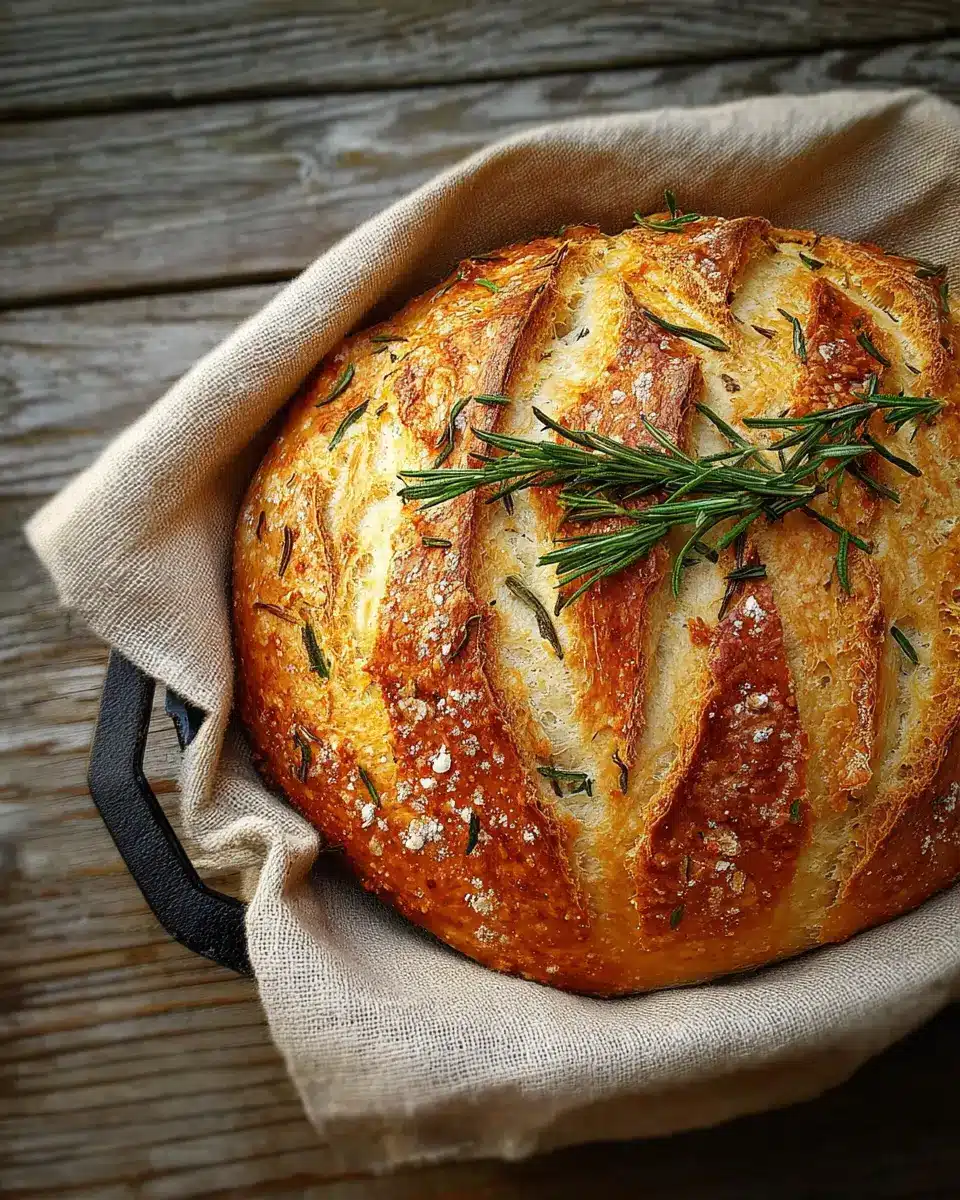
Ingredients for Rosemary and Sea Salt Rustic Bread Loaf
Essential ingredients list
Creating a delicious Rosemary and Sea Salt Rustic Bread Loaf requires just a handful of essential ingredients that you might already have in your kitchen. Here’s what you’ll need:
- 3 cups (14 ⅔ ounces) bread flour
- 1 teaspoon instant, rapid-rise or active-dry yeast
- 1 ½ cups (12 ounces) water, at room temperature
- 4 tablespoons extra-virgin olive oil, divided
- 1 ¼ teaspoons table salt
- 4 tablespoons fresh rosemary, chopped
- 1 tablespoon coarse sea salt
- Vegetable oil spray
These ingredients combine beautifully to create the rustic loaf with a perfect crust and a hint of fragrant rosemary.
Substitutions and adaptations
Not a fan of rosemary? No worries! You can easily swap it out for other herbs like thyme or oregano depending on your taste preferences. If you want a gluten-free version, consider using a gluten-free flour blend, but keep in mind that the texture may differ slightly.
For those watching their sodium intake, you can cut back on the coarse sea salt or use a salt substitute. Plus, if you're in a pinch for olive oil, melted coconut oil can also work, though the flavor will change a bit.
Feel free to explore your pantry and get creative! If you’re looking for more tips and ideas, check out sites like King Arthur Baking for expert advice.
Step-by-step preparation for Rosemary and Sea Salt Rustic Bread Loaf
Making a Rosemary and Sea Salt Rustic Bread Loaf is not just about mixing ingredients; it's a delightful experience that connects you with the art of baking. Each step invites you to embrace the process and spark creativity. Ready to get started? Let’s break it down!
Whisk together flour and yeast
Begin your journey by combining 3 cups of bread flour with 1 teaspoon of instant yeast in a medium bowl. Whisking these two ingredients together ensures that the yeast is evenly distributed throughout the flour. This is crucial for consistent rising, resulting in a loaf that’s light and airy.
Combine wet ingredients and form dough
Next, add 1½ cups of room-temperature water and 1 tablespoon of olive oil. Now, grab a sturdy wooden spoon or your hands and mix until you form a shaggy mass. Don’t worry if it looks messy; it’s all part of the rustic charm! After everything comes together, cover the bowl with plastic wrap and let it rest for 10 minutes. This rest period allows the flour to absorb moisture, leading to better dough development.
Incorporate salt and rosemary
After the rest, sprinkle 1¼ teaspoons of table salt and 3 tablespoons of chopped fresh rosemary directly onto the dough. Drizzle on the remaining 3 tablespoons of olive oil. Gently mix everything until well incorporated. The fresh rosemary will add an aromatic touch that elevates this Rosemary and Sea Salt Rustic Bread Loaf to new heights. Cover and let this marvel rest for an additional 20 minutes.
The folding technique explained
This is where the magic happens! With wet hands, gently lift and fold the edges of the dough toward the center, rotating the bowl after each fold. Repeat this process for about 6 turns. Why fold? This technique helps develop the gluten, giving your bread that wonderful chewy texture. Cover the bowl once more, letting it rest an additional 20 minutes, and repeat the folding 2-3 more times over the next 2 hours.
Refrigeration for flavor development
After all that folding, the dough will need a long nap! Cover the bowl with plastic wrap and refrigerate for at least 12 hours—or up to 24 hours. This waiting period helps develop flavor and texture in your Rosemary and Sea Salt Rustic Bread Loaf.
Shaping the dough
Once you’ve been patient (it’s worth it!), remove the dough from the refrigerator. Shape it into a boule by tucking the edges underneath to create a smooth top, ensuring that the seam is facing down. Let it rise on a floured piece of parchment paper while covered with plastic that’s been sprayed with vegetable oil.
Baking in the oven
Finally, it’s time to bake your masterpiece. Preheat your oven to 450°F and place a cast iron pot (with the lid on) inside to heat up. When ready, carefully transfer the loaf into the pot using the parchment paper. Slashing the loaf on top will allow it to expand beautifully in the oven. Brush with olive oil, sprinkle with the remaining rosemary and sea salt, then cover and bake for 40 minutes. Remove the lid and bake for another 15-20 minutes until golden brown. Let it cool completely—if you can resist the temptation to dive in right away!
Now you have all the steps you need to create this delicious Rosemary and Sea Salt Rustic Bread Loaf. Enjoy the delightful aroma that fills your kitchen and, most importantly, savor every slice!
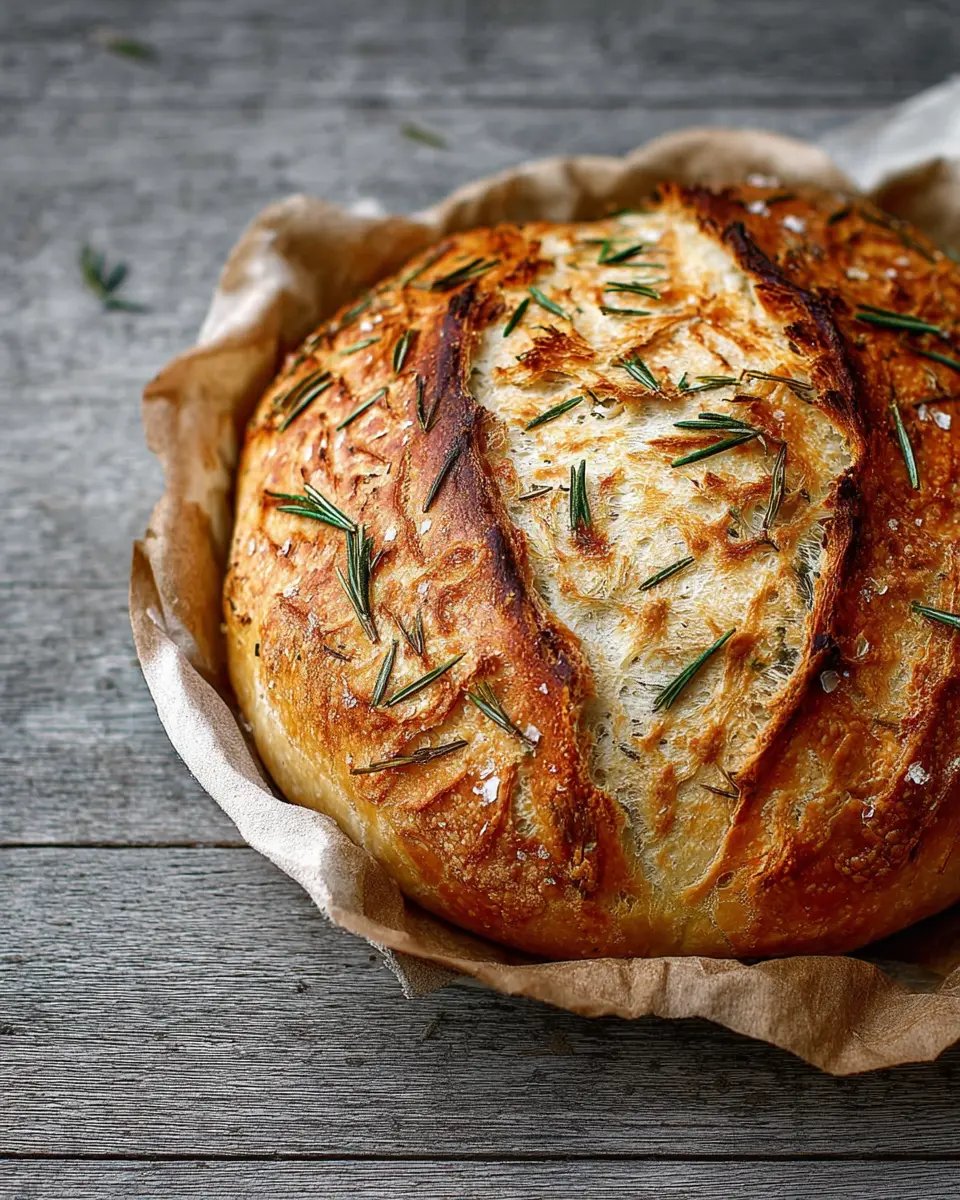
Variations on Rosemary and Sea Salt Rustic Bread Loaf
Add-ins: Garlic, Olives, or Cheese
Elevate your Rosemary and Sea Salt Rustic Bread Loaf by experimenting with tasty add-ins. Imagine the aroma of roasted garlic blended with your dough—yum! Chopped olives can add a Mediterranean flair, and let's not forget about the melted goodness of cheese. Whether you opt for a handful of feta, sharp cheddar, or a sprinkle of Parmesan, each addition will create a unique twist that complements the vibrant rosemary.
Herbs: Thyme or Basil Substitutions
While rosemary shines in this recipe, you can easily swap it out for other herbs. Fresh thyme brings a subtle earthiness that pairs beautifully with rustic bread, or you could try basil for a sweeter, summery touch. Both alternatives will keep your Rosemary and Sea Salt Rustic Bread Loaf delightful while giving you a chance to explore new flavors.
Want to dive deeper into the world of herbs? Check out this guide to culinary herbs for more ideas on how to customize your bread!
Cooking Tips and Notes for Rosemary and Sea Salt Rustic Bread Loaf
Common Mistakes to Avoid
When making your Rosemary and Sea Salt Rustic Bread Loaf, be careful not to rush the fermentation process. Allowing the dough to rest and develop flavors is crucial; skipping this step can lead to dense bread. Also, ensure your yeast is fresh—expired yeast can ruin the rise of your loaf. A miscalculation of salt can overwhelm the delicate flavors, so always measure accurately. Lastly, don’t skip the parchment paper when transferring the dough; it ensures effortless handling and prevents sticking.
How to Achieve the Perfect Crust
The secret to a crispy, golden crust lies in the heat. Preheating your cast iron pot ensures an initial burst of steam, which helps the bread expand beautifully. For that rustic touch, make sure to slash the top of your loaf just before baking. This not only adds style but also controls the oven spring, allowing for even baking. A final brush of olive oil right before the oven enhances the golden color. Serve the bread warm for the best texture and flavor!
For more insights on the art of bread-making, check out this article on sourdough techniques and tips. Happy baking!
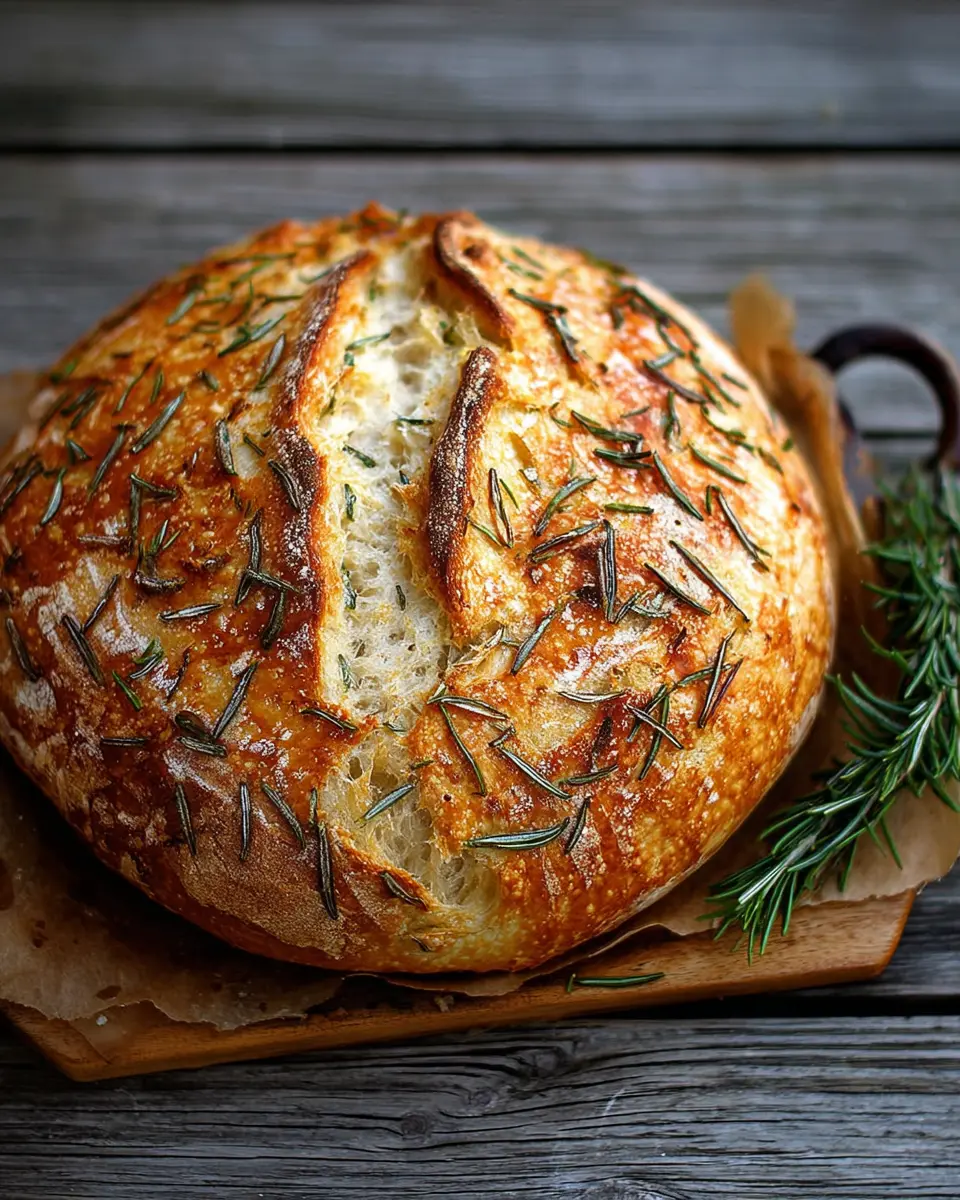
Serving suggestions for Rosemary and Sea Salt Rustic Bread Loaf
Pairing with dips or spreads
Your Rosemary and Sea Salt Rustic Bread Loaf can shine when paired with a variety of dips and spreads. A classic olive tapenade or a creamy hummus can enhance its savory notes. If you're feeling adventurous, try it with a sun-dried tomato pesto for a vibrant flavor contrast. A drizzle of high-quality olive oil sprinkled with balsamic vinegar also makes a simple yet delightful addition.
Ideal accompaniments for meals
This rustic bread isn't just great on its own; it makes a wonderful companion for many meals. Picture enjoying it alongside:
- Soup: A hearty minestrone or tomato basil soup will complement the bread perfectly.
- Salads: Pair it with a fresh arugula salad dressed in lemon vinaigrette for a refreshing contrast.
- Main dishes: Consider serving it alongside roasted chicken or turkey bacon for a satisfying meal.
Ready to dig in? This loaf brings a touch of warmth and flavor to any dining experience, making it a must-have at your table! For additional recipes and creative serving suggestions, check out this site.
Time breakdown for Rosemary and Sea Salt Rustic Bread Loaf
Preparation time
The preparation of your Rosemary and Sea Salt Rustic Bread Loaf takes about 10 minutes. This includes gathering all your ingredients and mixing them together to create that delicious dough.
Rising time
The dough needs to rest and rise properly to develop its flavor and texture. You'll spend approximately 2 hours, plus a minimum of 12 hours overnight in the refrigerator for the best outcome. This overnight rise allows the dough to develop complex flavors and a lovely airy texture.
Baking time
Once you've shaped your dough, the actual baking process will take around 55 minutes. This includes 40 minutes with the lid on to create that perfect crust, followed by an additional 15-20 minutes uncovered for that golden-brown finish.
Total time
In total, from start to finish, you’re looking at about 15 hours and 5 minutes. While this might seem like a long process, a bit of patience and planning will reward you with an incredible homemade loaf that’s perfect for sharing (or keeping all to yourself!). The overnight fermentation not only enhances the flavor but also makes the baking day manageable and easy.
By taking your time with each step, you’ll create a rustic bread that elevates any meal. Grab your apron, and let’s get baking! For more baking tips, check out this guide on The Science of Bread Making for some insightful reading.
Nutritional Facts for Rosemary and Sea Salt Rustic Bread Loaf
Calories per slice
Enjoying a slice of Rosemary and Sea Salt Rustic Bread Loaf brings about 150 calories. It's the perfect treat for your taste buds without completely derailing your dietary goals.
Protein content
Each slice offers approximately 5 grams of protein. This makes it a satisfying choice for your meals or snacks, especially when paired with something hearty like turkey bacon or a fresh salad.
Sodium levels
With about 200 milligrams of sodium per slice, this bread strikes a balance. While it includes the delightful crunch of sea salt, it's not overly salty, allowing the rosemary flavors to shine. For more on managing sodium intake, consider resources like the American Heart Association.
By keeping these nutritional attributes in mind, you can enjoy this rustic loaf guilt-free, making it an excellent addition to any meal!
FAQ about Rosemary and Sea Salt Rustic Bread Loaf
How can I keep my bread fresh longer?
To keep your Rosemary and Sea Salt Rustic Bread Loaf fresh, store it in a cool, dry place, away from direct sunlight. You can wrap it in a clean kitchen towel or place it in a paper bag to allow airflow; avoid plastic as it retains moisture and can cause the bread to become soggy. Typically, this bread will stay fresh for up to three days, and if you want to stretch its life, consider refrigerating it, although this may affect the crust's texture.
Can I freeze the bread?
Yes, absolutely! Freezing is a great option for preserving your Rosemary and Sea Salt Rustic Bread Loaf. Wrap it tightly in plastic wrap and then in aluminum foil, or store it in an airtight freezer bag. This method can keep it fresh for up to three months. When you’re ready to enjoy, let it thaw at room temperature, and consider warming it in the oven to revive the crust.
What is the best way to enjoy this rustic bread?
This rustic bread is incredibly versatile! Enjoy it warm, freshly baked, with a drizzle of olive oil or a spread of hummus for a light snack. It pairs perfectly with soups or salads, adding a lovely texture to your meal. For something a bit heartier, use it as a base for sandwiches with turkey bacon or chicken ham. A simple bruschetta topped with fresh tomatoes and basil is another excellent option. The flavor of the rosemary really shines through in every bite!
Conclusion on Rosemary and Sea Salt Rustic Bread Loaf
Baking your own Rosemary and Sea Salt Rustic Bread Loaf is a rewarding experience that fills your kitchen with comforting aromas. The combination of fresh rosemary and a touch of coarse sea salt elevates this loaf, making it perfect for any meal. Enjoy it fresh, and savor each delicious bite!
For more inspiration on homemade breads, check out King Arthur Baking, a fantastic resource for baking enthusiasts.

Rosemary and Sea Salt Rustic Bread Loaf
Equipment
- cast iron pot
Ingredients
- 3 cups bread flour 14 ⅔ ounces
- 1 teaspoon instant yeast or rapid-rise or active-dry
- 1.5 cups water room temperature, 12 ounces
- 4 tablespoons extra-virgin olive oil divided
- 1.25 teaspoons table salt
- 4 tablespoons fresh rosemary chopped
- 1 tablespoon coarse sea salt
- 1 can vegetable oil spray
Instructions
Dough Preparation
- Whisk flour and yeast together in a medium bowl. Add room-temperature water and one tablespoon olive oil and stir with a wooden spoon until a shaggy mass forms and no dry flour remains.
- Cover bowl with plastic wrap and let sit for 10 minutes.
- Sprinkle table salt and 3 tablespoons chopped rosemary over dough, drizzle on the remaining 3 tablespoons olive oil, and mix until fully incorporated.
- Cover bowl with plastic and let dough rest for 20 minutes.
- Using your wet hands, fold dough over itself by gently lifting and folding the edge of the dough toward the middle. Turn bowl 90 degrees and fold again.
- Turn the bowl and fold dough 4 more times (total of 6 turns). Cover bowl with plastic and let dough rest for 20 minutes.
- Repeat folding technique, turning bowl each time, until dough tightens slightly, for a total of 3 more times over the next 2 hours.
- Then cover bowl with plastic and refrigerate for at least 12 hours or up to 24 hours.
Baking
- Heat oven and a large cast iron pot (lid on) to 450F.
- Take dough from the refrigerator and shape it into a boule, with the seam facing down. Let rise on a piece of floured parchment paper, covered with a piece of plastic wrapped sprayed with vegetable oil spray.
- Once oven and pot have come up to temperature, carefully transfer the loaf to the dutch oven on the piece of parchment.
- Slash the loaf across the top with a sharp knife or lame. Brush with olive oil and sprinkle with remaining rosemary and the sea salt.
- Bake with the cover on for 40 minutes. Remove lid and bake for 15-20 minutes more, until the loaf is golden brown and crusty.
- Let cool to room temperature. Best if served the same day.




Leave a Reply