
Introduction to Vietnamese Pho Recipe
Vietnamese Pho has captured the hearts of food lovers around the globe, becoming a go-to dish for homemade warmth and comfort. This aromatic soup, characterized by its fragrant broth and vibrant toppings, offers an adventure for the senses. The beauty of a Vietnamese Pho recipe lies not just in its deliciousness but also in the joyous process of making it at home.
But what makes it so special? For one, traditional Pho is customizable—each bowl becomes a canvas for your creativity. You can experiment with toppings like fresh herbs, chilies, and sauces, tailoring each dish to your taste. Moreover, the labor of love that goes into crafting the broth is immensely rewarding. Simmering beef bones with spices and aromatics fills your kitchen with an enticing aroma that invites family and friends to gather around the table.
A recent study showed that cooking at home can improve mental well-being, leading to a greater appreciation of culinary arts. This deep connection to food makes Vietnamese Pho not just a meal but an experience that nurtures the soul. So, gather your ingredients, and let’s dive into this delightful culinary journey together!
For more tips and tricks, check out this guide on mastering broth.
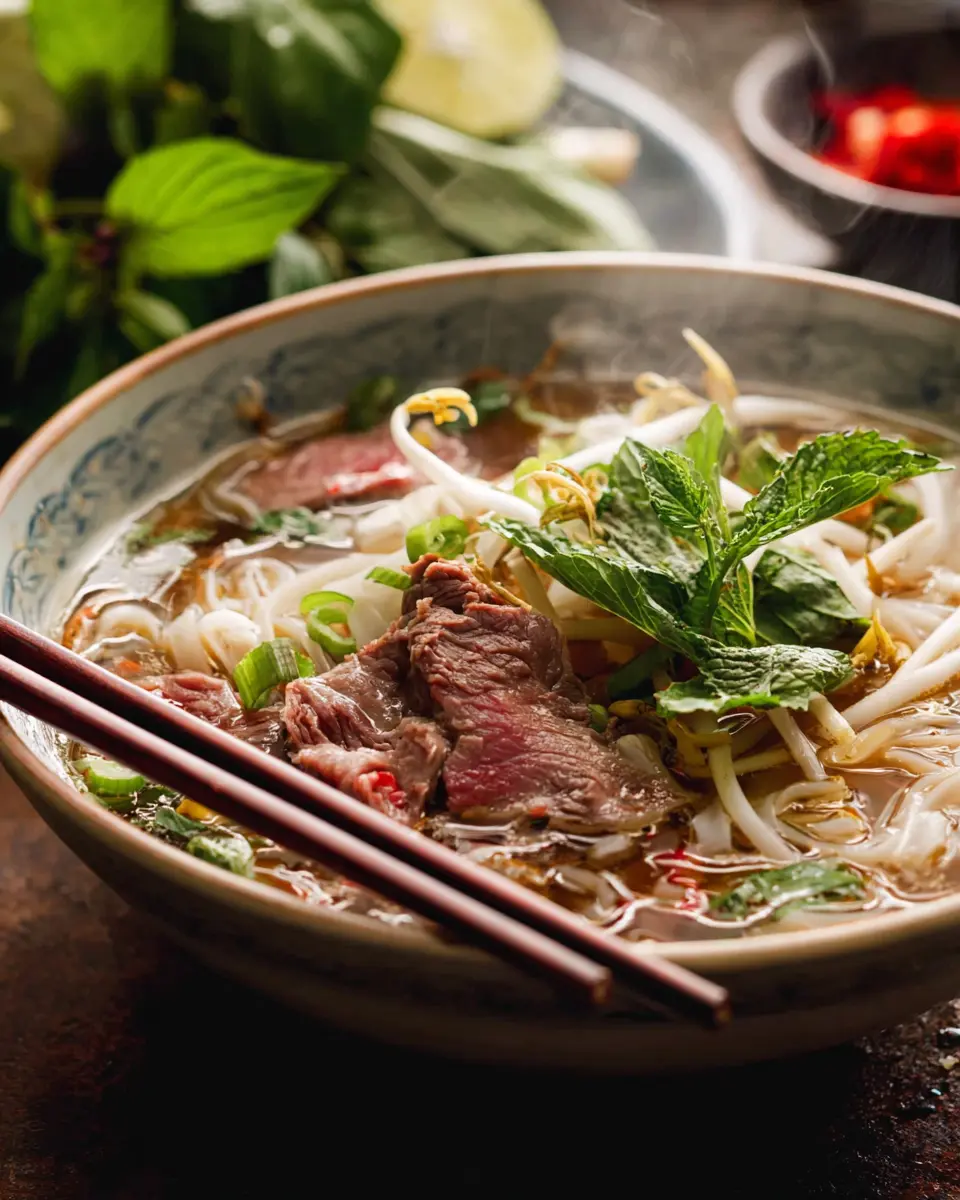
Essential Ingredients for Vietnamese Pho
Creating a mouthwatering Vietnamese Pho recipe starts with the right ingredients. Each component serves a vital role in building that iconic, rich flavor profile. Let’s dive into the essentials:
Aromatics
Aromatics form the foundation of your broth. You’ll need:
- Onions: Two large onions, halved to release their sweetness.
- Ginger: About 150g (5oz) of ginger, sliced down the center to enhance the depth of flavor.
Spices
The magic truly lies in the spices. For a fragrant infusion, gather:
- 10 star anise
- 4 cinnamon quills
- 4 cardamom pods
- 3 cloves
- 1.5 tablespoon coriander seeds
These spices will present the aromatic essence that defines authentic pho.
Beef Bones
The heart of the broth comes from quality beef bones:
- 1.5kg (3lb) beef brisket
- 1kg (2lb) meaty beef bones
- 1kg (2lb) marrow bones, cut to reveal marrow
Selecting meaty bones is crucial for crafting a rich stock, and the brisket adds significant flavor!
Seasoning
To achieve that signature balance, don’t forget:
- 2 tablespoon white sugar
- 1 tablespoon salt
- 40 ml (3 tbsp) fish sauce
These seasonings elevate the broth, rounding out the savory flavor.
Noodle Soup Components
As you assemble your soup, consider:
- 50g (1.5 oz) dried rice sticks (or 120g/4oz fresh)
- 30g (1 oz) of raw beef tenderloin, very thinly sliced
- 3-5 brisket slices, which contribute the richness developed in the broth.
Toppings
Finally, enhance your pho bowl with an assortment of fresh toppings:
- Handful of beansprouts
- 3-5 sprigs of Thai basil
- 3-5 sprigs of cilantro
- Lime wedges for zesty freshness
- Finely sliced red chilies for a kick
- Hoisin sauce and Sriracha for added flavor
These toppings invite personal preference and creativity, allowing each person to tailor their pho experience. For a more in-depth look at how to combine these ingredients in your Vietnamese Pho recipe, check out this guide on essential Vietnamese flavors.
So gather these ingredients and prepare for a cooking adventure that brings the heart of Vietnam to your kitchen!
Step-by-Step Preparation of Vietnamese Pho
Creating a warm bowl of Vietnamese Pho in your kitchen is like wrapping yourself in a cozy blanket on a chilly day. With aromatic flavors and comforting textures, this dish is worth the effort! Here’s a step-by-step guide to making the perfect Vietnamese Pho at home.
Prepare the Aromatics
Start by infusing your broth with an explosion of flavor.
- Heat a heavy-based skillet over high heat until it’s smoking.
- Add 2 halved onions and 150g of sliced ginger, cut side down. Sear them for a few minutes until charred before turning them over for an even cook.
- Remove the aromatics and set them aside.
- Trace your aromatic journey by lightly toasting your spices: 10 star anise, 4 cinnamon quills, 4 cardamon pods, 3 cloves, and 1.5 tablespoons of coriander seeds in the same skillet over medium-high heat for about three minutes. This quick step enhances their flavor immensely.
For more on the importance of fresh spices, check out this spice guide.
Remove Impurities from the Beef
This step ensures a clear, clean broth.
- Rinse your 1.5kg of beef brisket and all bones under cold water.
- Fill a large stockpot with water, covering the meat. Bring it to a rapid boil for five minutes.
- Afterward, drain the water and rinse the brisket and bones again under tap water to remove impurities.
Make the Broth
Now, let’s get to the heart of your Vietnamese Pho recipe—the broth.
- Wipe the pot clean and bring 3.5 liters of fresh water to a boil.
- Add the bones, brisket, charred onion, ginger, and the toasted spices.
- Add 2 tablespoons of white sugar, 1 tablespoon of salt, and keep the water level just enough to cover all ingredients.
- Cover with a lid and let it simmer for a glorious 3 hours. After this, remove the brisket, let it cool, and refrigerate for later.
- Keep simmering the remaining broth uncovered for about 40 minutes, then strain into a new pot. Discard the solids, making sure your broth now measures about 2.5 liters.
- Finish by incorporating 40ml of fish sauce, adjusting salt and sugar to taste. Your broth should be a perfect balance of beefiness, spice, and a hint of sweetness.
Assemble the Pho Bowl
Finally, it’s time to serve!
- Prepare your rice noodles according to the package instructions.
- Place a generous serving of noodles in a bowl, topping it with thinly sliced raw beef tenderloin and brisket slices.
- Ladle about 400ml of the hot broth over everything, which will gently cook the beef to a tender medium-rare.
- Serve with bean sprouts, Thai basil, fresh cilantro, lime wedges, finely sliced red chili, hoisin sauce, and Sriracha on the side for that customizable touch!
Bringing the vibrant flavors of Vietnamese Pho into your home is not just about the dish—it’s also about enjoying the process. Don’t hesitate to adjust toppings and spices to make this comforting meal truly yours!
Looking for more Vietnamese recipes? Check out our authentic Banh Mi recipe for a delightful pairing!
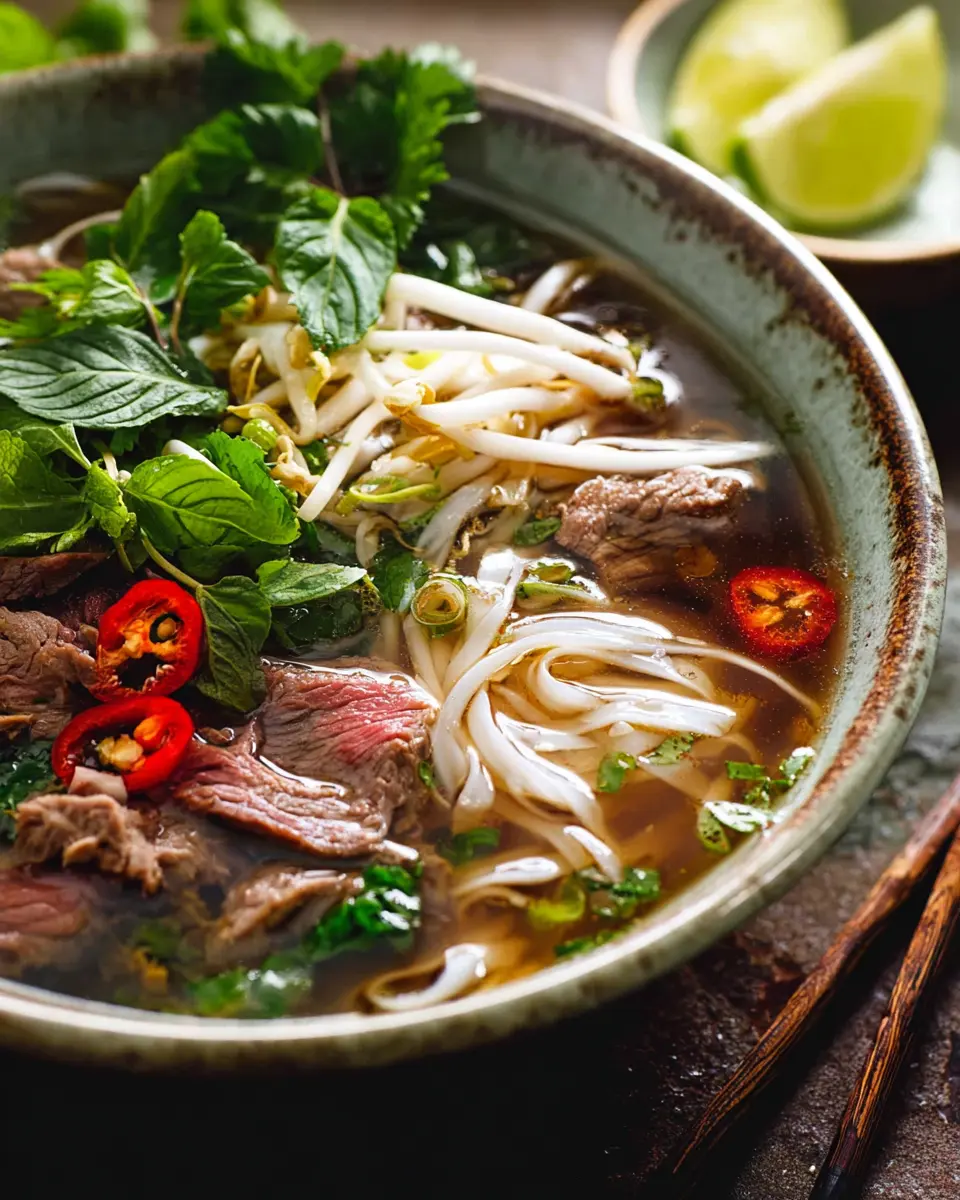
Variations on Vietnamese Pho
Vietnamese Pho, with its rich flavors and fragrant broth, offers a delightful base you can customize to your liking. Here are two popular variations that cater to different dietary preferences.
Vegetarian Pho
For a plant-based twist, vegetarian pho is an excellent choice. Replace the beef bones with a combination of mushrooms, like shiitake and portobello, to impart that savory depth. Use vegetable broth instead of water, and enhance the flavor with additional spices and herbs, such as star anise and fresh basil. Topping it off with seasonal greens, tofu, and a squeeze of lime creates a fragrant bowl that’s satisfying and nourishing.
Chicken Pho
Chicken pho offers a lighter alternative without sacrificing flavor. Substitute the beef with chicken thighs or breasts for a tender and juicy bite. Use chicken bones to create your broth; simmer them with the same aromatic spices for that classic taste. This variation is comforting and works wonderfully with the traditional toppings like coriander and fresh chili, perfect for cozy nights in.
Explore these variations to make your own delicious Vietnamese pho recipe and impress your friends and family! For more tips on perfecting your broth, check out resources from Serious Eats for expert advice.
Cooking Tips and Notes for Vietnamese Pho
Selecting the Right Beef Cuts
For a flavorful Vietnamese Pho recipe, the beef cuts you choose will make a significant difference. Opt for brisket, as it provides a robust flavor that enriches the broth. It’s also ideal for beginner cooks since it’s tender and gets beautifully melt-in-your-mouth soft when simmered. If you're looking for a substitute, boneless beef short ribs work well too.
Importance of Simmering Time
Don’t rush the simmering process; this is where the magic happens in your pho broth. Allowing it to simmer for the recommended time extracts all those savory flavors from the beef bones and aromatics. A well-simmered broth creates a rich, fragrant base that is essential for that authentic taste. If you're curious about the science behind it, check out this guide on broth-making for more detailed insights.
Taking the time to refine your broth will undoubtedly elevate your Vietnamese Pho experience!
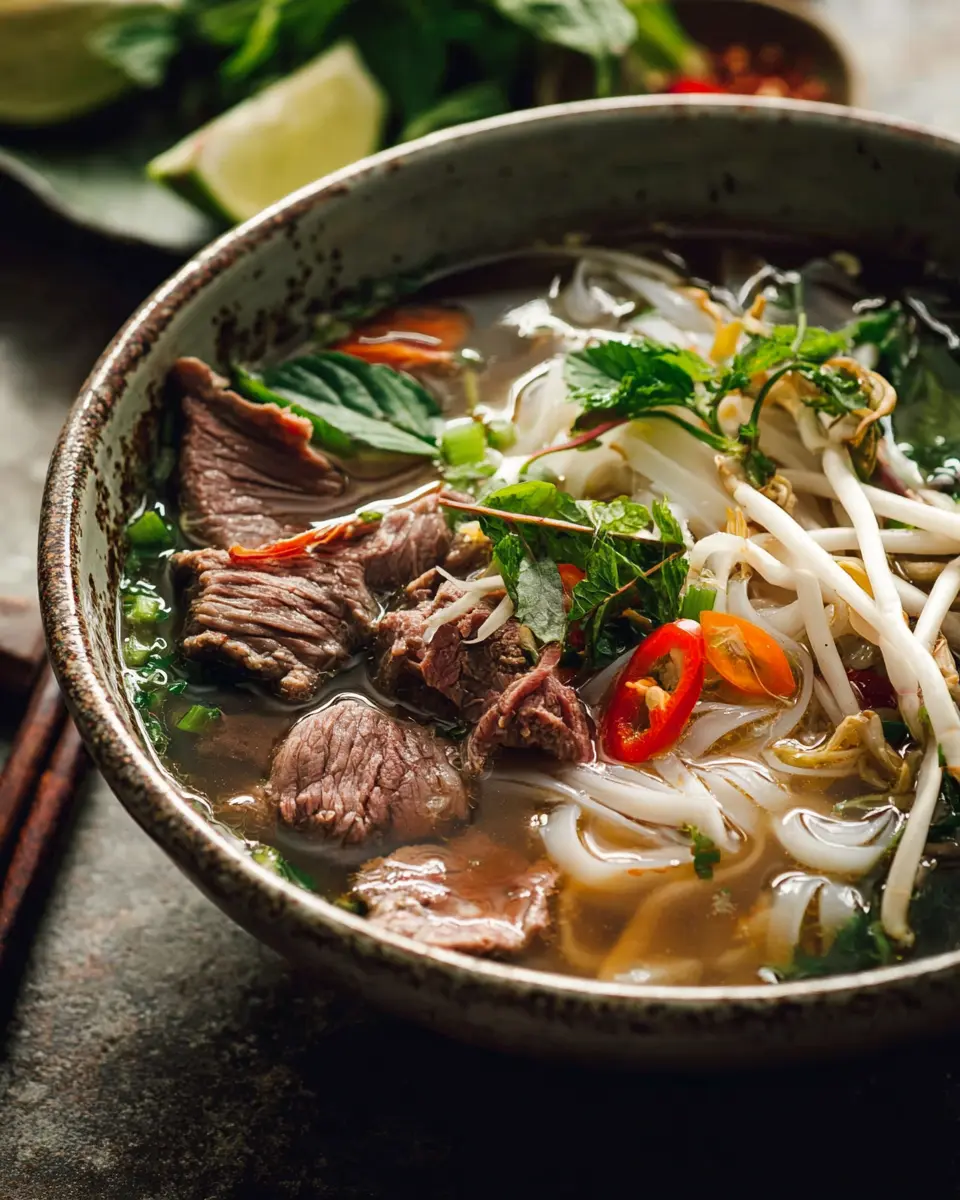
Serving Suggestions for Vietnamese Pho
Traditional serving method
When enjoying your Vietnamese Pho recipe, the traditional way is to keep it simple yet flavorful. Serve the hot broth over a bed of rice noodles and slices of tender beef in a bowl. All the excitement lies in the toppings—set them on the side! Guests can customize their bowls with fresh herbs, bean sprouts, and lime wedges as they eat, bringing a personal touch to each serving.
Additional condiment options
For a little extra flair, consider serving with additional condiments such as hoisin sauce and sriracha for those who crave a bit of sweetness or heat. Want to enhance your experience? Try adding a splash of soy sauce or even some pickled jalapeños for a zesty kick. This way, every bite of your homemade pho reflects not only the classic flavors but your unique taste as well. Curious about more pho variations? Check out resources like Vietnamese Cuisine for inspiration!
Time Breakdown for Vietnamese Pho
Preparation time
Setting aside about 30 minutes will get you through the prep stage. This includes chopping aromatics and rinsing the bones. The more organized you are, the smoother this will go!
Cooking time
To bring all the incredible flavors together, you'll need around 4 hours of simmering time. This may seem long, but don't worry—most of it is hands-off. Just let the broth do its magic while you plan your meal!
Total time
From start to finish, expect to dedicate approximately 4.5 hours to this Vietnamese Pho recipe. This includes both preparation and cooking. Trust us, the end result is well worth the wait!
For more on soup-making tips, you might find this guide helpful!
Nutritional Facts for Vietnamese Pho
When you indulge in a delicious bowl of Vietnamese pho, it's essential to be mindful of its nutritional content. Here's a friendly breakdown:
Calories per serving
A standard serving of Vietnamese pho typically contains around 350-450 calories, depending on the amount of meat and toppings.
Protein content
This delightful dish is a great source of protein, offering approximately 25-30 grams per serving, primarily from beef and noodles.
Sodium levels
Be cautious with sodium levels, as one bowl can contain about 800-1,200 mg of sodium, mainly from fish sauce and seasoning. Consider moderating the added salt for a healthier option.
If you're curious to explore more about the health benefits of the ingredients in your pho, check out resources like the USDA FoodData Central for detailed nutritional information. Enjoy your cooking adventure!
FAQs about Vietnamese Pho
Can I make pho in advance?
Absolutely! Vietnamese Pho is a great dish to prepare in advance. You can cook the broth a day before and let the flavors develop overnight in the fridge. Just reheat the broth when you’re ready to serve. You can also pre-cook the noodles and slice the beef ahead of time; this will save you time on busy weeknights.
What is the best way to store leftover broth?
To maintain its rich flavor, store leftover broth in airtight containers in the refrigerator for up to four days. For longer storage, freeze the broth in smaller portions. This not only makes it easy to reheat but also allows you to whip up a delicious bowl of pho whenever you crave it.
How can I adjust the spice levels?
If you prefer your pho less spicy, simply reduce the amount of star anise or cloves in the broth. You can also serve the sliced red chili on the side, allowing everyone to customize their bowl. Feel free to experiment—pho is all about finding the balance that suits your palate!
For more tips on pho variations and spice adjustments, check out this guide on Pho styles.
Conclusion on Vietnamese Pho
Making Vietnamese Pho at home is an enriching experience that allows you to create a comforting dish bursting with flavors. The aromatic spices and hearty broth make it worth the effort, turning an ordinary meal into a delightful culinary adventure. Plus, you’ll impress friends and family with your homemade creation!
Why Making Pho at Home is Worth It?
Cooking Vietnamese Pho from scratch not only enhances your cooking skills but also deepens your appreciation for this beloved dish. When you prepare pho at home, you have the flexibility to adjust flavors and ingredients to suit your preferences.
- Fresh Ingredients: You control the quality and freshness of each component, ensuring a nourishing meal.
- Tradition and Culture: Engaging with the process connects you to Vietnamese culinary traditions, enriching your understanding of this fascinating culture.
- Shared Experience: Pho is best enjoyed with friends and family, fostering communal dining and enjoyable conversations.
For more culinary inspiration, consider exploring additional dishes that celebrate Southeast Asian flavors, like Coconut Curry or Banh Mi. Enjoy your Vietnamese Pho journey!
Vietnamese Pho recipe
Equipment
- heavy based skillet
- large stock pot
- strainer
Ingredients
Aromatics
- 2 large onions halved
- 150 g ginger sliced down the centre
Spices
- 10 star anise
- 4 cinnamon quills
- 4 cardamon pods
- 3 cloves the spice cloves!
- 1.5 tablespoon coriander seeds
Beef Bones
- 1.5 kg beef brisket
- 1 kg meaty beef bones
- 1 kg marrow bones cut to reveal marrow
- 3.5 litres water (15 cups)
Seasoning
- 2 tablespoon white sugar
- 1 tablespoon salt
- 40 ml fish sauce
Noodle Soup – PER BOWL
- 50 g dried rice sticks (or 120g/4oz fresh)
- 30 g beef tenderloin raw, very thinly sliced
- 3 – 5 brisket slices used for broth
Toppings
- handful beansprouts
- 3 – 5 sprigs Thai basil
- 3 – 5 sprigs coriander/cilantro (or more basil)
- Lime wedges
- Finely sliced red chilli
- Hoisin sauce
- Sriracha (for spiciness)
Instructions
Aromatics
- Heat a heavy based skillet over high heat (no oil) until smoking.
- Place onion and ginger in pan cut side down. Cook for a few minutes until it’s charred, then turn. Remove and set aside.
- Toast Spices lightly in a dry skillet over medium high heat for 3 minutes.
Remove impurities
- Rinse bones & brisket then cover with water in large stock pot.
- Boil for 5 minutes, then drain.
- Rinse each bone and brisket under tap water.
Broth
- Wipe pot clean, bring 3.5 litres / 3.75 quarts water to boil.
- Add bones and brisket, onion, ginger, Spices
- Add onion, ginger, Spices, sugar and salt – water should just barely cover everything.
- Cover with lid, simmer 3 hours.
- Remove brisket (should be fall-apart tender), cool then refrigerate for later.
- Simmer remaining soup UNCOVERED for 40 minutes.
- Strain broth into another pot, discard bones and spices. Should be about 2.5 litres / 2.65 quarts (10 cups), if loads more, reduce.
- Add fish sauce, adjust salt and sugar if needed. Broth should be beefy, fragrant with spices, savoury and barely sweet.
Assemble
- Prepare rice noodles per packet, just prior to serving.
- Place noodles in bowl. Top with raw beef and brisket.
- Ladle over about 400 / 14 oz hot broth – will cook beef to medium rare.
- Serve with Toppings on the side!
Leave a Reply